
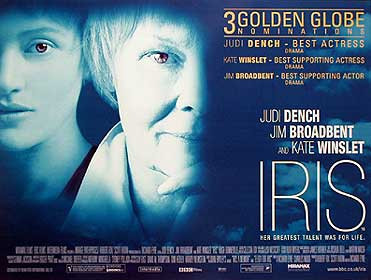
Writer/Director: Richard Eyre
Starring: Jim Broadbent, Judi Dench and Kate Winslet
‘A Meaningful Masterpiece’
Not many actors in Britain have made iconic entertainment as beloved as Jim Broadbent. Ever since his rise to fame during the 1980’s, Broadbent has become a celebrated British icon. Whether it’s magical teachers, political leaders or gangsters, Broadbent has always played compelling characters. Arguably, his greatest strength as an actor has often been strong screen presence. Broadbent is one of those actors that has always had aptitude for stealing the show in supporting roles that have limited screen-time. Even when he isn’t a main focus of a movie, Broadbent has always left a strong impression. An actor with commitment towards his craft, Broadbent has become a commemorated icon in entertainment. Despite reaching an age of retirement, Broadbent has never lost strong passion for entertainment. Throughout a bold career, Broadbent has made several powerful movies that are definitely worth talking about without a doubt.
I’m a huge fan of Broadbent and adore all the films that he has made in his career. However, “Iris” is my favourite. Released in 2001, Richard Eyre’s movie offered a breathtaking portrait of disability. Packed with captivating production, engaging storytelling and phenomenal acting, it’s one of the finest disability films ever made. At the centre of it all is a brilliant performance by Jim Broadbent, who embodies the husband of a woman with visual impairment. Ultimately, what makes “Iris” a classic is universal appeal. Unlike most commemorated movies about disability, it tackles strong themes which everyone would relate to. A mesmerizing masterpiece about disabilities, there are several strong reasons why “Iris” is a movie worth watching.
“Iris” tells the story of the romance between a novelist that suffers from Alzheimer’s disease. Jim Broadbent portrays John Bayley, an aging senior that has always been devoted towards his wife. Bayley has always dedicated his life to caring for his wife Iris (Judi Dench), that he loves dearly. However. Bayley’s life drastically changes when his wife is diagnosed with grim Alzheimer’s disease causing disaster. As all the odds are soon stacked against his favour, Bayley wonders if it’s possible for him to truly overcome disaster. Faced with a dilemma, he begins to question whether it’s possible for his wife to overcome challenges which are posed by Dementia. Trapped in an existential crisis, Bayley questions whether he can truly care for Iris.
Richard Eyre is a newcomer towards themes of mental illness. Before he made “Iris”, Eyre had never made a movie about mental illnesses in his career. It was the filmmaker’s first attempt to capture the struggle of women with memory loss facing tragedies but he succeeded. Using captivating cinematography, Eyre captures the lives of women with memory loss which endure adversity. Recalling Milos Forman’s “One Flew Over the Cuckoo’s Nest”, Eyre uses montages to capture the hardships that are endured by individuals which suffer from disabilities. For instance, montages elevate the disease scene. During this heartbreaking scene, Bayley is sad to discover his wife suffers from Alzheimer’s in tension. Using montages, Eyre crafts a portrait of disability that’s compelling. Montages aren’t simple to use in most films. As Baz Luhrmann’s “Moulin Rouge!” suggested, montages elevate musicals about doomed love. Nevertheless, it works well in this movie. Through breathtaking visuals, Eyre captures the tensions that seniors with dementia are facing.
Another admirable aspect of “Iris” that merits appreciation is production. From a technical perspective, the movie is extremely well made. Broadbent effectively uses makeup to capture the lives of people which suffer from memory loss. Throughout the movie, the makeup plays a pivotal role in capturing the lives of seniors that suffer from memory loss. For instance, the makeup enhances the memory impairments scene. During this unforgettable scene, Iris is plagued by forgetfulness affecting her abilities to function in society. Using stunning makeup, Eyre creates a portrait of memory loss which is compelling. Furthermore, the musical score is marvellous. James Horner’s music is key to the success of the movie. It gives the movie tense atmosphere capturing the heavy burden that seniors with illness bear. Through phenomenal production, Eyre conveys memory loss causing tension.
Storytelling is one of the reasons why “Iris” is a disability drama that’s engaging. The movie is beautifully written, and expertly uses silence to convey the lives of seniors facing an emotional disturbance. Throughout the movie, Eyre uses silence to capture the struggle experienced by individuals with severe disability. For instance, silence elevates the farewell scene. During this unforgettable scene, Bayley bids an emotional farewell towards his wife following a diagnosis. Through sequences of silence, Eyre creates a portrait of Dementia that audiences can relate to. Silence is a tricky technique to use in films. John Crowley’s “Brooklyn” claimed that silence enhances movies about Irish immigration. That being said, it works tremendously in this movie. Through a bold screenplay, Eyre captures the lives of disabled individuals that face a painful price to pay.
One appreciates amazing performances.
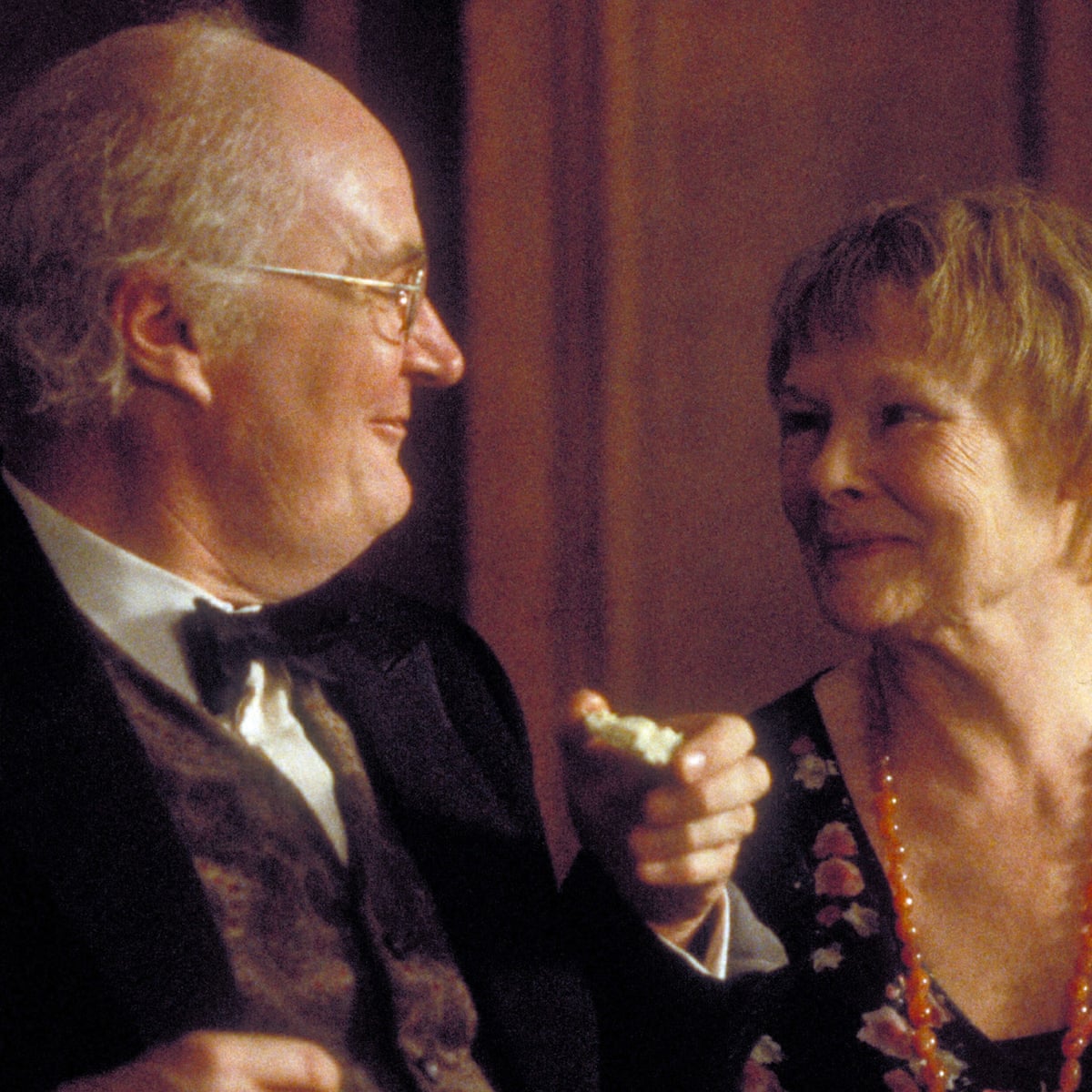
Jim Broadbent delivers one of his finest career performances as Bayley. Broadbent achieved appreciation for playing aristocratic figures in period dramas. With “Iris”, however, he took on his most complex role. It isn’t easy to portray a senior whose wife suffers from severe memory loss but he succeeds tremendously. This is the actor unlike you’ve ever seen him before: bold, emotional and touching in his most iconic role. Broadbent has often excelled depicting heroes under pressure, and “Iris” showcased his finest strengths as an actor. With strong expressions, he captures the angst, bravery and dedication of a man struggling to care for a disabled wife. It’s a phenomenal performance by one of the actors working today.
While the movie is mainly a stunning showcase for Jim Broadbent, the supporting cast is also amazing. Judi Dench is dazzling, capturing the tension faced by a woman that suffers from a severe disability. Kate Winslet is extraordinary, and captures the struggles experienced by a woman with disease that’s easily upset. Lastly, Hugh Bonneville merits appreciation. As an old aristocrat, he brings authority to the movie.
Finally, “Iris” would earn the appreciation of everyone for capturing lovers with dreams to accomplish. Unlike most films about memory loss, it tackles strong themes that everyone will relate to. It discusses strong themes such as bravery, disability and trauma which would resonate with everyone. Therefore, “Iris” is one of those rare commemorated movies about Dementia everyone would adore.
Fans of Jim Broadbent would enjoy “Iris” and so would movie-goers seeking heartwarming entertainment. A captivating disability drama, or honours an actor with charisma.
Nearly 25 years following the release of a groundbreaking film about women with Dementia facing trauma, it’s a riveting reminder about a commemorated British actor with charisma that has built a lasting legacy through his abilities to portray compelling characters attracting audiences towards the Cinema.
5/5 stras

 The Film Buff