
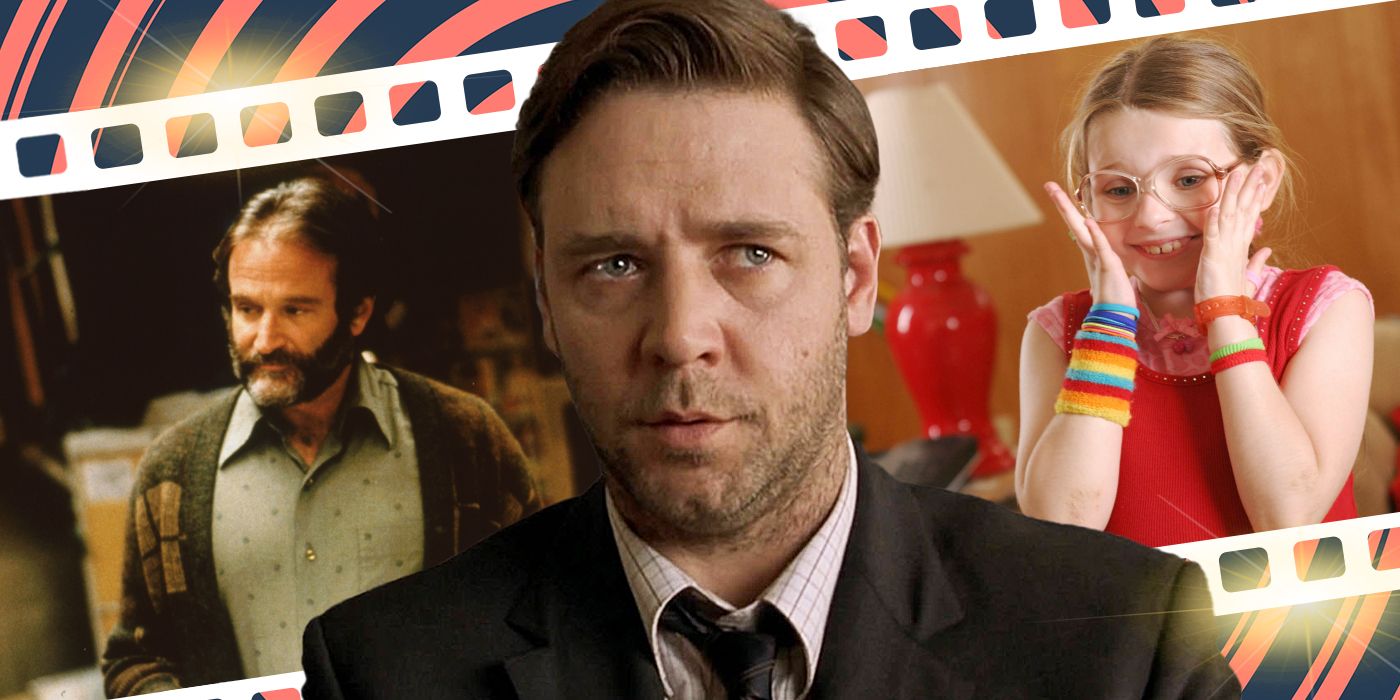

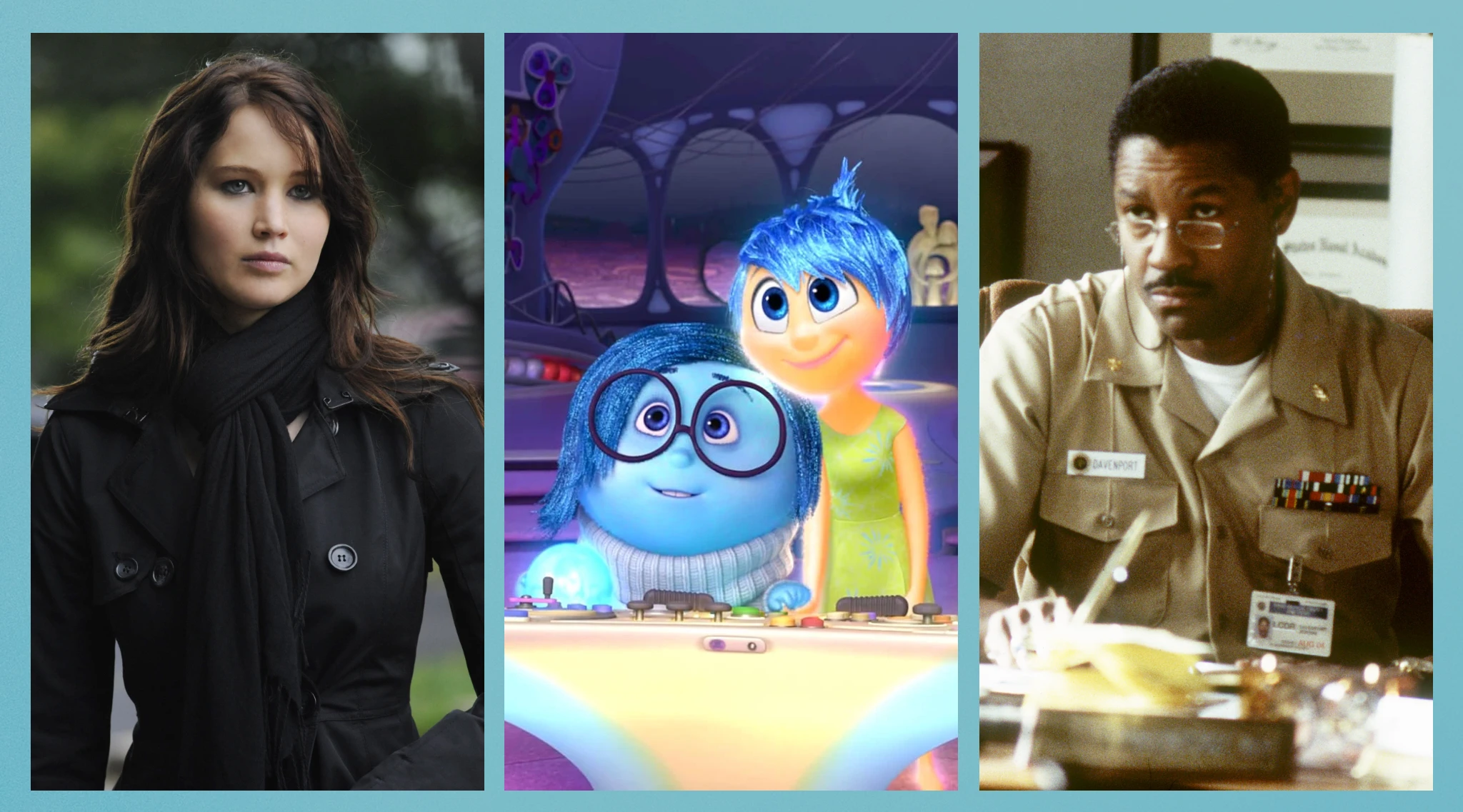
Not many genres have earned the appreciation of mental health. Since the 1970’s, stories of mental health have made for memorable movies. Whether it’s janitors, ordinary people or Schizophrenic teachers, the genre has created several characters. Given the sheer number of movies in the genre, making a top 10 list isn’t easy. Nevertheless, listed below are my favourite films about mental illness that deserve to be celebrated.
1. One Flew Over the Cuckoo’s Nest
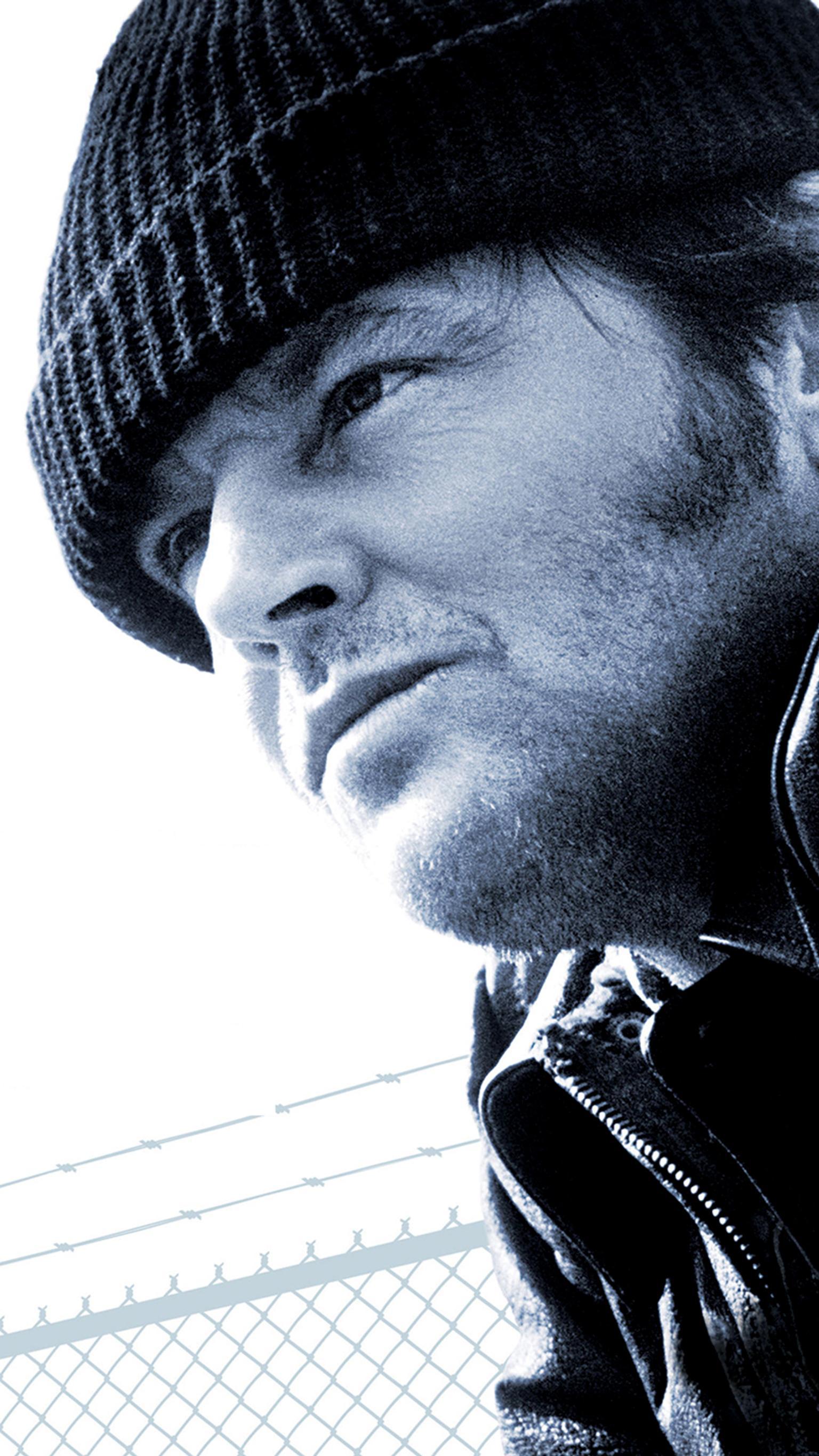
Mental institutions have shaped my personality. At an early age, my life forever changed when I was diagnosed with Autism that caused emotional damage. I remember visiting dark mental institutions that gave me valuable tips on how to overcome my grim mental disorder. A hopeless location, the institution took care of patients with grim mental conditions. It was fascinating to observe the way that the institution functioned by taking care of patients with mental illness that faced a price to pay. Few films I’ve ever seen have captured mental disorders that cause people to face unrest as powerfully as “One Flew Over the Cuckoo’s Nest”. Ever since its release in 1975, Milos Forman’s movie has stood the test of time as the greatest film ever made about mental health. Forman has always had an aptitude for capturing mental institutions in which people face grave danger, and “One Flew Over The Cuckoo’s Nest” showcased his strengths as a filmmaker. For instance, the scene in which McMurphy is given an electric shock after refusing to obey orders of his mental institution causing trauma is one of the greatest moments of the genre. At the centre of it all is an extraordinary performance by Jack Nicholson, who embodied a psychotic patient of a mental institution. Ultimately, what makes “One Flew Over the Cuckoo’s Nest” my favourite film about mental health of all-time is its universal appeal. Unlike most movies made during the 1970’s which often tend to be outdated, it has aged beautifully with themes that are relevant today. It delivers a bold message about mental health that will resonate with everyone. Nearly 50 years after the release of a classic film about brave men breaking rules of a mental hospital causing unrest, it’s a bold reminder of a genre that has impressed by making great movies which have stood the test of time as the absolute best.
2. A Beautiful Mind
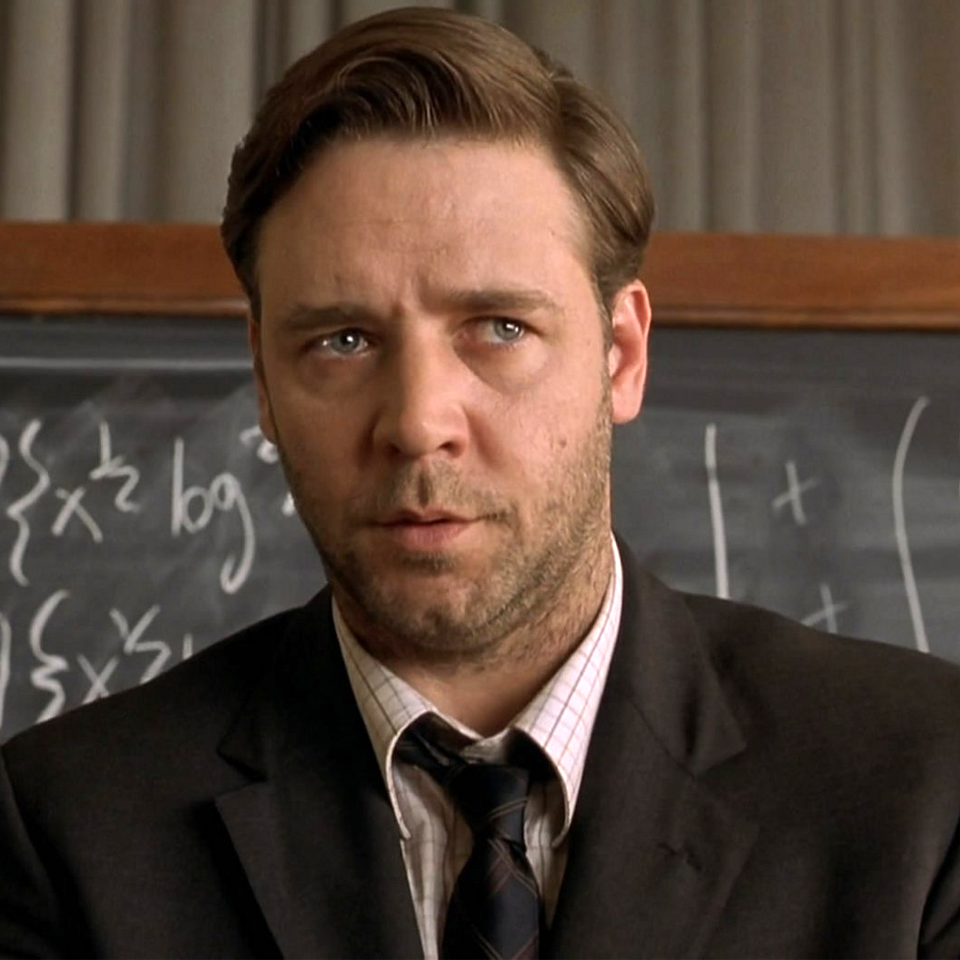
Schizophrenia is a devastating disorder that fascinated my teacher. In high school, I formed strong bonds with a psychology professor interested in a disorder which was cruel. He sought to educate students about an illness causing lives to deteriorate. As someone treasuring a teacher that was fascinated with a disorder affecting the mind, I adored “A Beautiful Mind”. Released in 2001, Ron Howard’s beautiful masterpiece captured the Schizophrenic mathematician John Nash. Howard uses stunning unreliable narration to capture the mind of a mathematician. For instance, the scene in which John Nash experiences a nerve-wracking breakdown when he realizes that his roommate is a figment of his imagination causing trauma is one of the finest moments of the genre. At the centre of it all is an extraordinary performance from Russell Crowe, capturing mathematician that achieved fame years ago. Ultimately, what makes “A Beautiful Mind” a beautiful masterpiece is its message. The film delivers a strong message about illness which would resonate with everyone. A breathtaking tribute towards a mathematician with a beautiful mind, it’s a bold reminder of a genre that has manufactured one-of-a-kind movies leaving a lasting legacy commonly behind.
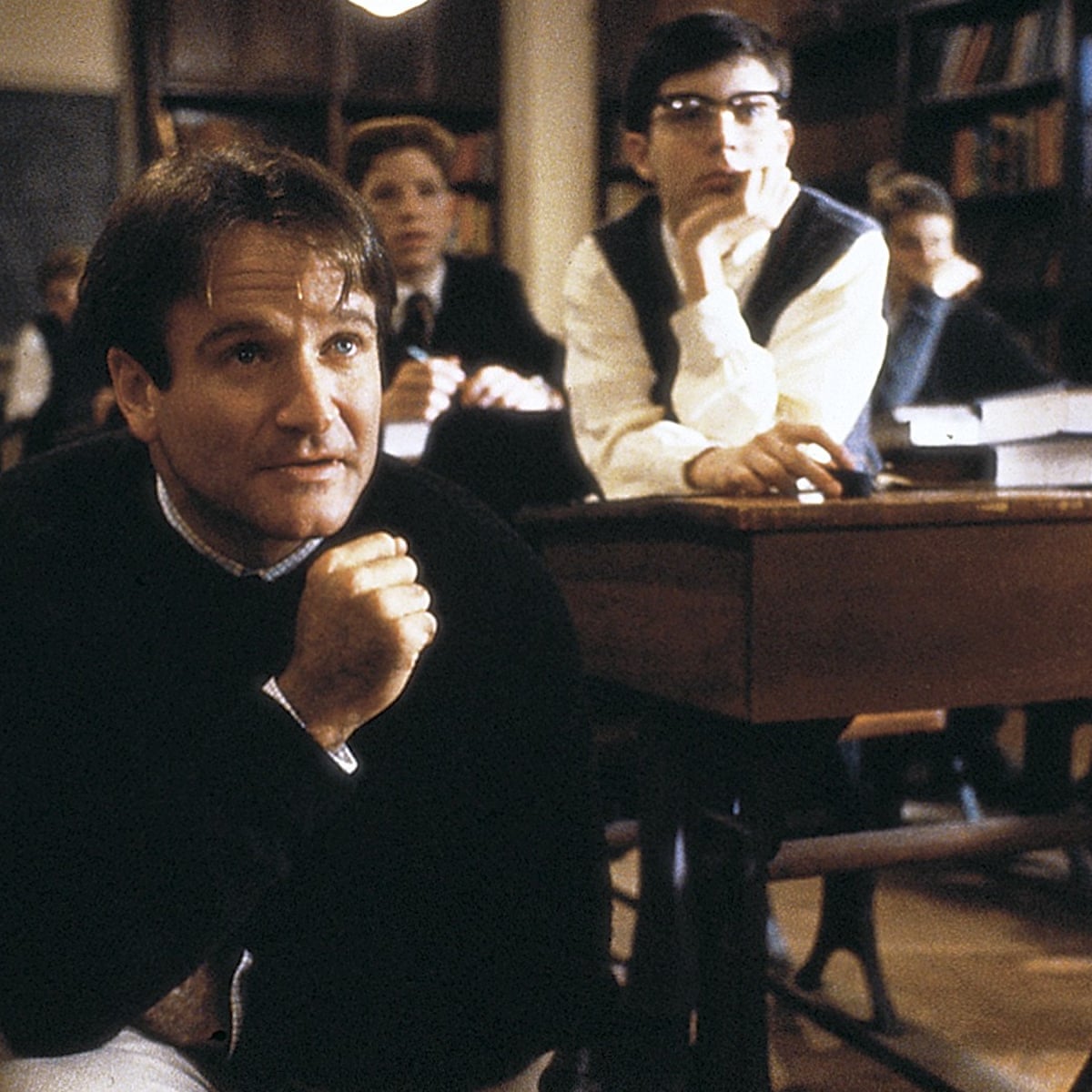
3. Dead Poets Society
Teachers are inspiring figures that shaped my identity. I remember forming bonds with an English teacher that inspired me to become a writer. A person with larger-than-life presence, he always offered students valuable guidance. His words of wisdom motivated me to pursue film criticism. As someone treasuring a teacher that shaped my identity, I adored “Dead Poets Society”. Released in 1989, Peter Weir’s movie captured teachers guiding mentally ill teens in a boarding school. Weir used captivating montages capturing the strong bond between a poetry professor and his students he grows to treasure. For instance, the “O Captain My Captain” scene in which Keating bids farewell to his students standing on chairs in a classroom is one of the greatest moments of the genre. At the centre of it all is Robin Williams, who proved how great of an actor he was before he passed away. Ultimately, what makes “Dead Poets Society” a classic is its message. The film delivers a bold message about teachers that would resonate with everyone. A powerful portrait of teachers that play a role guiding teens to seize the day, it’s a riveting reminder of a commemorated genre that has manufactured great movies which deserve to be celebrated absolutely today.

4. The Perks of Being a Wallflower
Anxiety is a powerful emotion that shaped my personality. As far as I can remember, I have always been an anxious person. My anxiety first began in high school when I faced intense pressure to succeed in a class that was cruel. Unable to overcome stress, I faced a nervous breakdowns affecting my academic success. As someone that faced severe anxiety as a teenager, I adored “The Perks of Being a Wallflower”. Released in 2012, Stephen Chbosky’s movie offered a beautiful adaptation of a beloved book about mental health. Chbosky effectively used voice-over narration to capture the life of an anxious teenager facing mental health tension. For instance, the scene in which Charlie experiences a tense nervous breakdown after bidding farewell to his friends causing trauma is one of the finest moments of the genre. At the centre of it all is an exceptional performance by Logan Lerman, who captures an anxiety-ridden teenager facing tension. Ultimately, what makes “The Perks of Being a Wallflower” a commemorated coming-of-age classic is its message. The film delivers a meaningful message about childhood trauma which would resonate with everyone. As strong as Charlie’s desire to be a wallflower teenager, it’s a riveting reminder of a commemorated genre that has manufactured great movies about mental health which audiences commonly treasure.

5. Rain Man
Intellectual disability shaped my identity. At an early age, my life changed when I was diagnosed with a disease causing damage. Being Autistic affected my abilities to form a strong relationship with my brother. I remember finding it hard to interact with my brother due to my intellectual disorder. Few films I’ve ever seen have captured how Autism can affect relationships with family as powerfully as “Rain Man”. Ever since its release in 1988, Barry Levinson’s movie has stood the test of time as a classic about Autism. Released at a time when Autism wasn’t understood, the film changed the way in which mental disabilities were perceived in Hollywood. For instance, the scene in which Raymond faces a nervous breakdown hearing noises of the smoke alarm causing trauma is one of the greatest moments of the mental health genre. At the centre of it all is an incredible performance by Dustin Hoffman, who embodied a complicated mental condition. Ultimately, what makes “Rain Man” a classic is its universal appeal. Unlike most movies made during the 1980’s which are often outdated, it has aged beautifully. The film delivers a meaningful message about bonds between brothers that would resonate with everyone. An awe-inspiring portrait of Autism, it’s an astonishing reminder about a genre making unforgettable movies achieving tremendous stardom.

6. Taxi Driver
Martin Scorsese is a legendary filmmaking with a lasting legacy. Since the 1970’s, Scorsese has often made memorable movies about mental health. In 1976, Scorsese showcased his strength as a filmmaker capturing mental illness in his movie “Taxi Driver”. Way ahead of its time, the film forever changed the art of Cinema through its depiction of taxi drivers facing trauma. Unlike most movies in the genre, what makes “Taxi Driver” stand out is its voice-over narration. Scorsese uses engaging narration to capture the mind of a troubled taxi driver facing destruction. Assisted by Robert De Niro who is sensational in the lead role, Scorsese captured troubled taxi drivers facing sorrow. A powerful portrait of lonely taxi drivers in 1970’s New York City, it’s a riveting reminder of a genre that has manufactured movies audiences love commonly dearly.
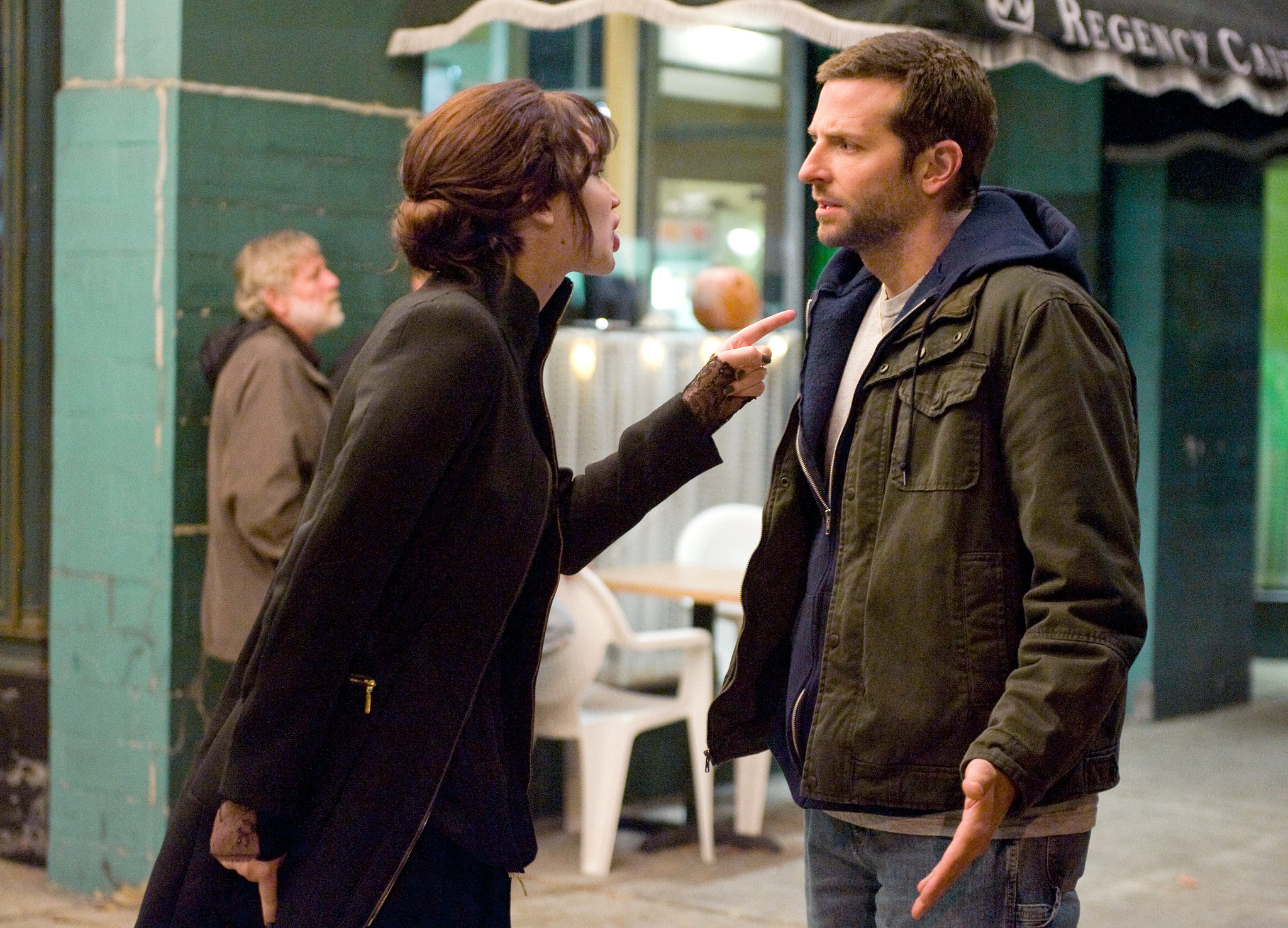
7. Silver Linings Playbook
Bipolar is a devastating disease that impacted my aunt’s identity. Years ago, my aunt was diagnosed with bipolar disorder causing sorrow. As someone treasuring an aunt with Bipolar that adopted a negative life outlook, I adored “Silver Linings Playbook”. Released in 2012, David O. Russell’s movie captured the impact of Bipolar on a dysfunctional family. Unlike most movies in the genre, what makes “Silver Linings Playbook” stand out is its depiction of trauma. Russell uses captivating montages capturing hardships a man with Bipolar is facing. Assisted by Bradley Cooper who is remarkable in the lead role, Russell created a compelling portrait of Bipolar disorder. A powerful portrait of mental illness, it’s a riveting reminder of a commemorated genre that has made memorable movies raising awareness for disorders causing immense sadness.
![Robin Williams on the Making of Good Will Hunting [Audio] - Boston Magazine](https://cdn10.bostonmagazine.com/wp-content/uploads/2014/08/robin-williams-matt-damon-good-will-hunting.jpg)
8. Good Will Hunting
Therapists have impacted my identity. At an early age, I formed bonds with a therapist delivering a meaningful message. When I was diagnosed with anxiety, I began seeing a psychologist offering therapy. His wisdom guided me in the right direction. Few films I’ve seen have captured inspiring therapists as powerfully as “Good Will Hunting”. Released in 1997, Gus Van Sant’s Oscar-winning movie captured therapists. Unlike most movies in the genre, what makes “Good Will Hunting” stand out is its realism. Gus Van Sant used naturalistic dialogue to create compelling portraits of therapists. Assisted by Matt Damon who is excellent, Gus Van Sant created a powerful portrait of therapists. As strong as Will Hunting’s desire to find meaning, it’s a riveting reminder of a genre that produced memorable movies which are worth absolutely celebrating.
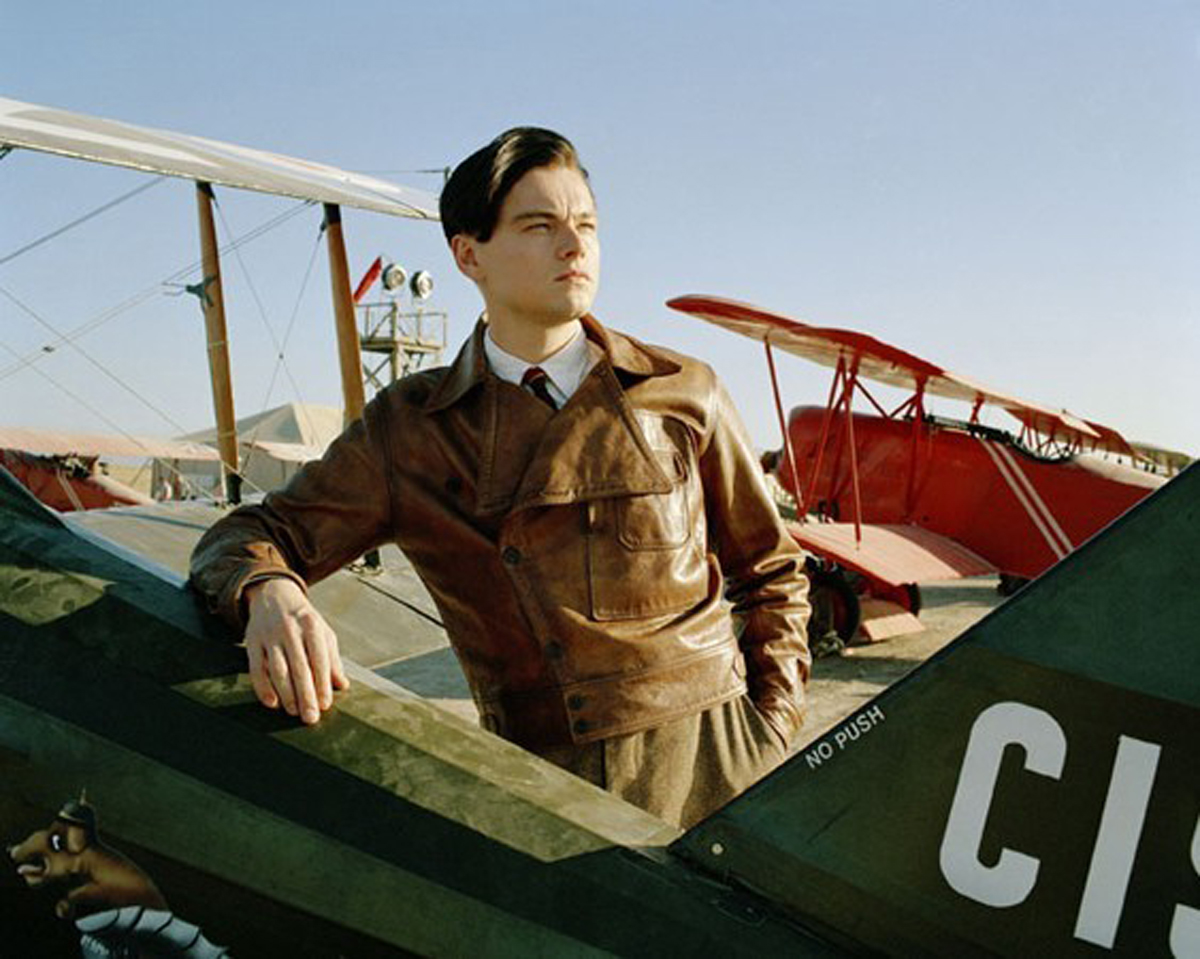
9. The Aviator
OCD is a debilitating disease that has shaped my personality. As far as I remember, I have always been affected by obsessive compulsive disorder. At an early age, I developed a habit of engaging in obsessive behaviours causing damage. As someone impacted by a disorder that changed my life forever, I loved “The Aviator”. Released in 2005, Martin Scorsese’s movie captured the life of aviator Howard Hughes who suffered from OCD. With the most ambitious film of his career, Scorsese showcased his strength for telling true stories of real-life figures. Assisted by a fantastic Leonardo DiCaprio, Scorsese honours a real-life aviator that achieved fame years ago. As precious as planes Howard Hughes loves to fly in the air, it’s a remarkable reminder of a genre that has manufactured memorable movies about which audiences commonly care.

10. American Beauty
Few movies ever made about the mental health of families are as beloved as “American Beauty”. Since its release in 1999, Sam Mendes’ movie has become a classic. Mendes’ film forever changed the genre through its depiction of suburban families facing grief. Mendes effectively used voice-over narration to capture an American family facing mental health tension. Although I’ve always loved the movie, it has aged poorly. Sexual assault allegations levelled against Kevin Spacey have forever tarnished the film’s legacy. Nevertheless, it remains a strong addition to the genre. As strong as Lester Burnham’s desire to find beauty, it’s a beautiful reminder of a genre that has made unforgettable movies about the importance of mental health which I will forever treasure for inspiring my lifelong love of filmmaking which I value highly.

 The Film Buff