
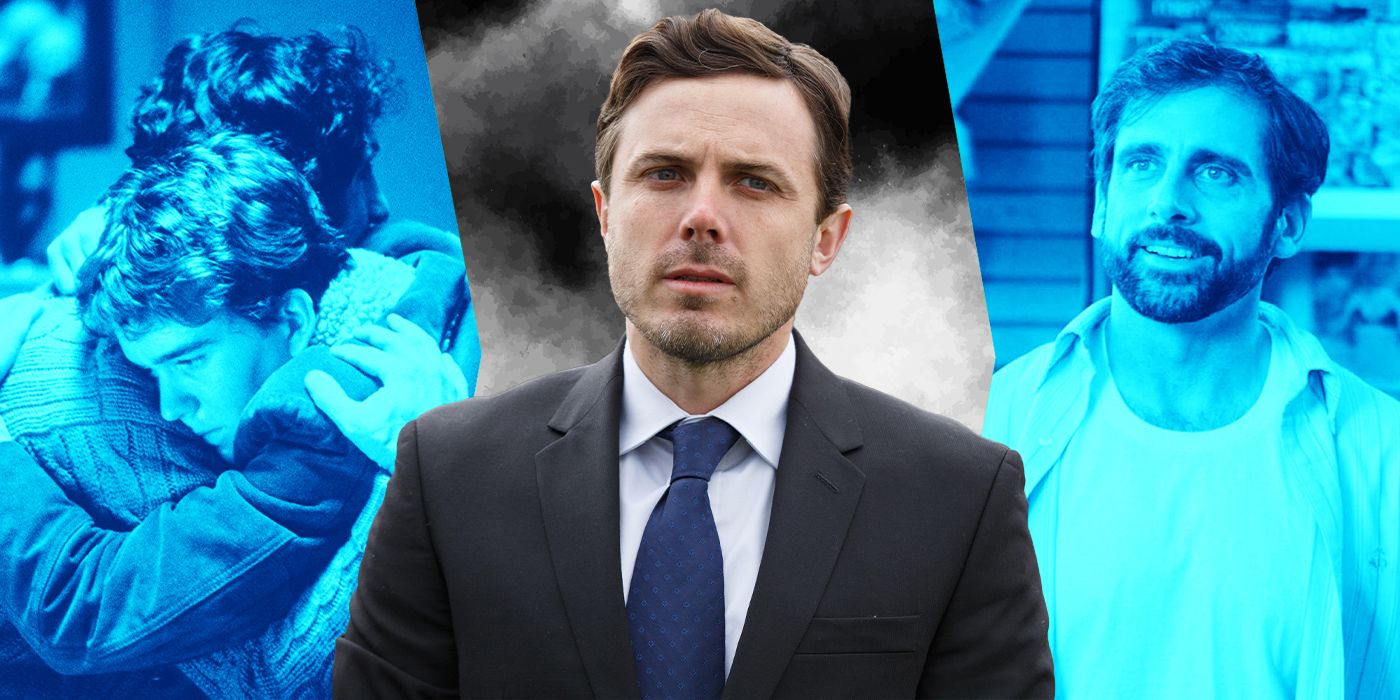
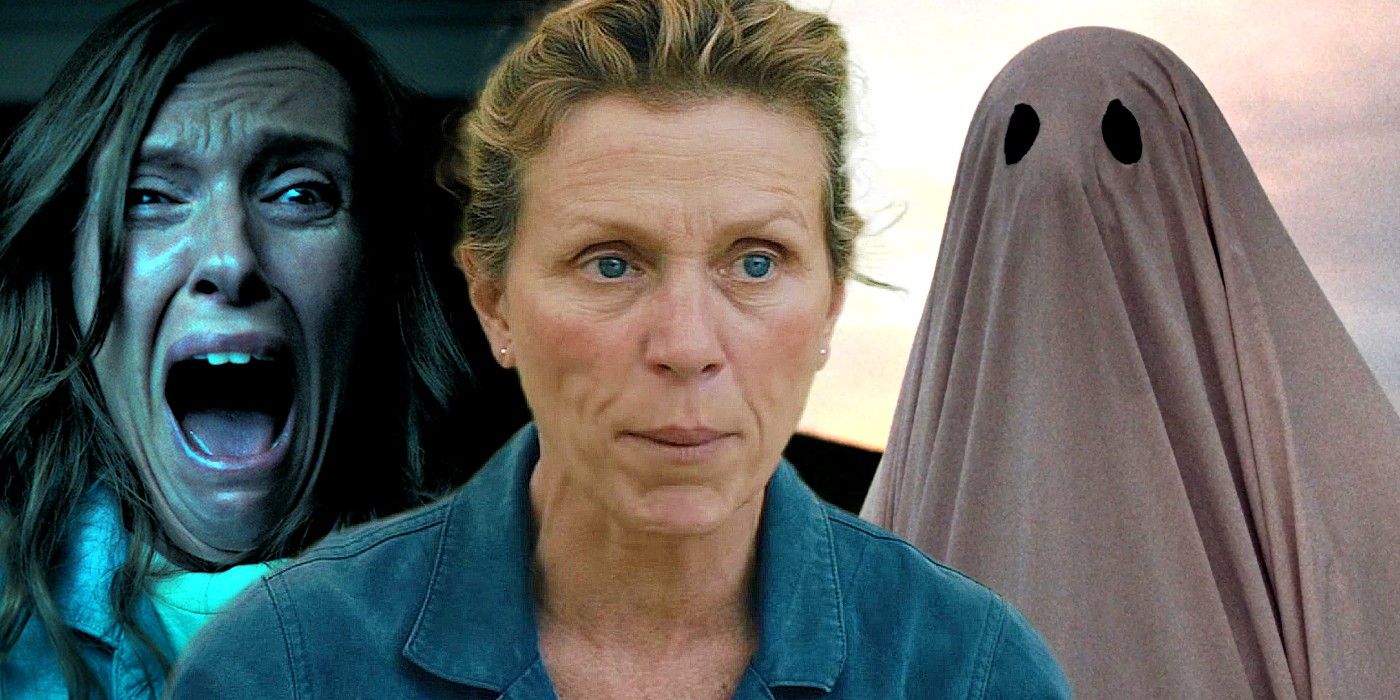
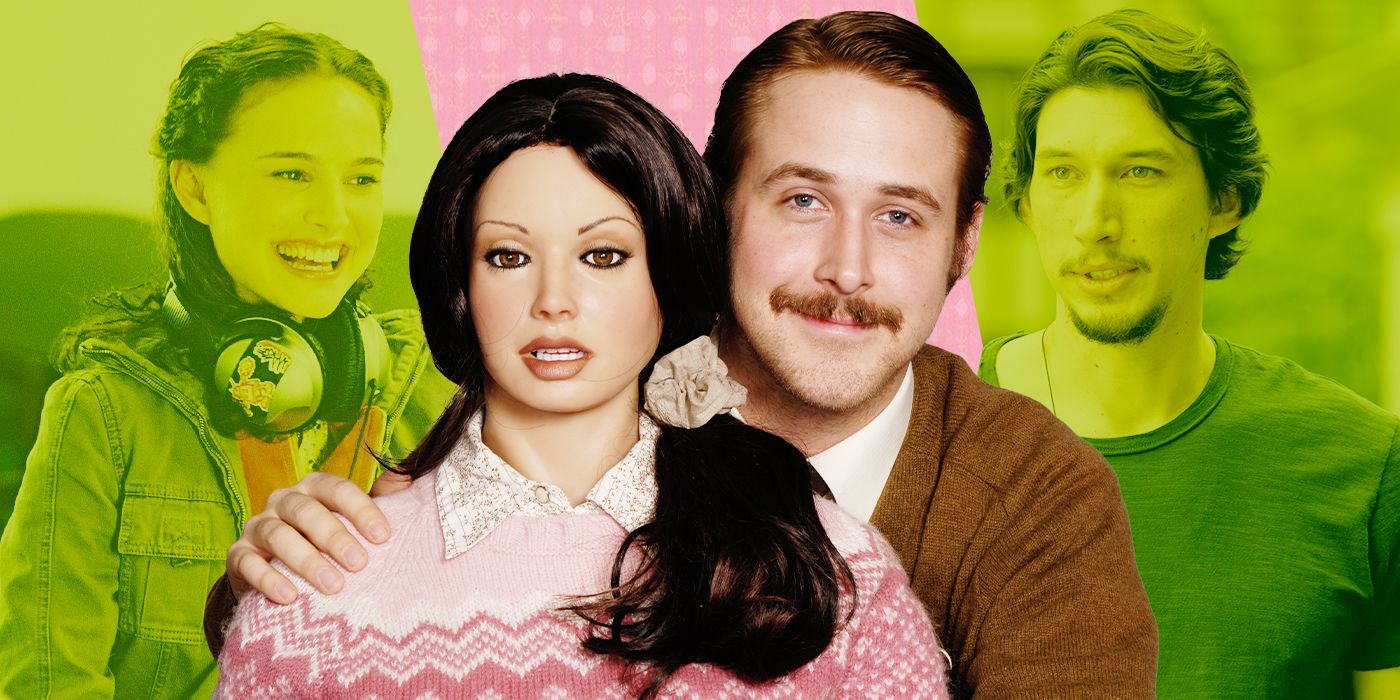
Not many genres have gained appreciation of depression. Since the 1970’s, stories of grieving people have made for memorable movies. Whether it’s grieving janitors, wallflower teenagers or depressed screenwriters, the genre has created many characters. Given the number of movies in the genre, making a top 10 list isn’t easy. Nevertheless, listed below are my favourite films about grief which deserve to be celebrated.

1. Ordinary People
It’s challenging to face the loss of a loved one. Several years ago, my family’s life hit a crushing low when our only housekeeper was killed causing sorrow. Stabbed to death in the shower by her lover, my housekeeper faced painful murder. Her devastating death left family mourning. No matter how hard we tried, my family couldn’t recover from heartbreaking loss of a housekeeper that tragically died. Few films I’ve seen have captured how painful deaths of people affect families as powerfully as “Ordinary People”. Following its release in 1980, Robert Redford’s movie has stood test of time as the greatest film ever made about grief. With the greatest film of his career, Redford used innovative cinematic techniques capturing families facing despair. Redford is one of those filmmakers that has always had aptitude for making family dramas, and “Ordinary People” showcased his strengths as a filmmaker. Redford effectively used flashbacks to capture a family haunted by a death causing tragedy. For instance, the final scene in which Calvin has a moment of silence with his son Conrad grieving loss of a loved one causing trauma is one of the greatest moments of the genre. At the centre of it all is an extraordinary performance by Donald Sutherland, who proved how great of an actor he once was before he tragically passed away. Ultimately, what makes “Ordinary People” my favourite film about grief of all-time is its universal appeal. Unlike most movies about dysfunctional families which are targeted towards a specific audience, it tackles commemorated themes that everyone would relate to. It delivers a heartbreaking message about depression which would resonate with everyone. A phenomenal portrait of ordinary people impacted by passings of family members that are insurmountable, it’s a remarkable reminder of a commemorated genre that has manufactured memorable films about painful emotions of grief that audiences consider to be special.

2. Manchester by the Sea
Grief is an emotion that has impacted my friend deeply. Several years ago, my friend’s mother passed away from Cancer causing sorrow. Left devastated, my friend couldn’t cope with a terrifying tragedy that left him affected. No matter how hard he tried, he couldn’t move on from the death of his mother that left him terrified. As someone that witnessed a friend face grief following family tragedy, I adored “Manchester by the Sea”. Released in 2016, Kenneth Lonergan’s movie captured a grieving janitor affected by a family tragedy. Lonergan has always had an aptitude for making compelling family dramas, and “Manchester by the Sea” showcased his strengths as a filmmaker. Lonergan uses captivating flashbacks to capture a grieving janitor. For instance, the scene in which Lee Chandler reunites with his wife several years after a tragic accident causing trauma is one of the greatest moments of the genre. At the centre of it all is an extraordinary performance by Casey Affleck, who embodies a grieving man impacted by family tragedy. Ultimately, what makes “Manchester by the Sea” a masterpiece is its message. The film delivers a meaningful message about depression which would resonate with everyone. A powerful portrait of grief that causes fragile families to fall apart, it’s a riveting reminder of a genre that has commonly produced meaningful art.

3. Kramer vs. Kramer
Families that file for divorce often face grief. Several years ago, I witnessed my uncle experience a divorce causing sorrow. A drastic decision, the divorce left my uncle heartbroken. He drifted apart from his beloved children that had once held a special place in their heart. As someone that has seen divorce causing fathers to face disaster, I adored “Kramer V. Kramer”. Released in 1979, Robert Benton’s movie captured impact of divorce on a father. Benton uses naturalistic dialogue to capture the bond between a divorced father and his son. For instance, the scene in which Ted rushes his son to the hospital after he faces an accident causing trauma is one of the finest moments of the genre. At the centre of it all is an incredible performance by Dustin Hoffman, who portrays a heartbroken father facing divorce tension. Ultimately, what makes “Kramer V. Kramer” a masterpiece is its appeal. Unlike most movies made during the 1970’s, it has aged beautifully. It delivers a meaningful message about child custody which would resonate with everyone. As strong as Kramer’s desire to save his doomed marriage from disaster, it’s a breathtaking reminder of a genre that has manufactured unforgettable movies which audiences commonly treasure.
4. Bright Star
Writing is a passion that I’ve always enjoyed pursuing. As far back as I remember, I have always wanted to become a famous writer. During childhood, I developed lifelong passions for writing about the art of filmmaking. Despite facing cyberbullying, nothing has stopped me from pursuing my passion for writing. As someone that has sought to become a writer reaching a high bar, I adored “Bright Star”. Released in 2009, Jane Campion’s movie captured the life of a grief-stricken poet in English history. Campion successfully used montages capturing the struggles of a grief-stricken poets suffering from terminal illness. For instance, the scene in which John Keats first becomes aware that he suffers from terminal illness causing trauma is one of the finest moments of the genre. At the centre of it all is an incredible performance by Ben Whishaw, who portrayed a poet inspiring awe. Ultimately, what makes “Bright Star” a timeless classic is its universal appeal. Viewers aren’t required to be fans of poetry to appreciate it. Unlike most movies about poets, it tackles themes that everyone would relate to. It delivers a profound message about illness which would resonate with everyone. A powerful portrait of a poet that readers celebrate, it’s a riveting reminder of a genre that has manufactured unforgettable movies about grief audiences appreciate.

5. A Beautiful Mind
Schizophrenia is a complex disorder that always fascinated my teacher. In high school, I formed strong bonds with a psychology professor interested in a disorder which was cruel. He always sought to educate students about an illness causing lives to deteriorate. As someone recalling a teacher fascinated with a disorder affecting the mind, I adored “A Beautiful Mind”. Released in 2001, Ron Howard’s biopic depicted the life of Schizophrenic mathematician John Nash. Howard used stunning unreliable narration to capture the grief faced by a troubled mathematician. For instance, the scene in which John Nash faces a breakdown when he realizes that his roommate is a figment of his imagination causing trauma is one of the finest moments of the genre. At the centre of it all is an extraordinary performance from Russell Crowe, who embodied a grief-stricken genius that achieved fame years ago. Ultimately, what makes “A Beautiful Mind” a masterpiece is its universal appeal. Viewers aren’t required to be familiar with John Nash’s theories to appreciate it. The film delivers a bold message about mental health which would resonate with everyone. A breathtaking tribute towards a mathematician with a beautiful mind, it’s a bold reminder of a commemorated genre that has manufactured one-of-a-kind movies which have left a lasting legacy behind.

6. Three Billboards Outside Ebbing, Missouri
Grief can often cause family tragedy. Several years ago, my housekeeper was killed causing sorrow. Left devastated, my family never recovered from death of a housemaid that wasn’t investigated. As someone witnessing family tragedy, I adored “Three Billboards Outside Ebbing, Missouri”. Released in 2017, Martin McDonagh’s movie captured family tragedy. Unlike most movies in the genre, what makes “Three Billboards Outside Ebbing, Missouri” stand out is its depiction of revenge. McDonagh uses captivating symbolism capturing mothers seeking vengeance for daughters’ killing. Assisted by Frances McDormand who is amazing in the lead role, McDonagh created a captivating drama. As precious as billboards protesting murder, it’s a breathtaking reminder of a genre that has made movies which audiences commonly treasure.
:max_bytes(150000):strip_icc()/her_pull_0404_113_rgb-2000-af83a98b90574ebb8722d893dcb06264.jpg)
7. Hereditary
Families affected by grief are often seen in horror movies. The horror genre has often told compelling stories of families facing trauma. The power of horror movies that capture family tragedy is clearly evident in the movie “Hereditary”. Released in 2018, Ari Aster’s horror movie captured a family impacted by tragedy. Unlike most movies in the genre, what makes “Hereditary” stand out is its depiction of family trauma. Aster effectively uses foreshadowing to capture a family reacting to a terrifying tragedy. Assisted by Toni Collette who is extraordinary in the lead role, Aster created a compelling horror movie about dysfunctional families. A powerful portrait of families experiencing fear, it’s a riveting reminder of a commemorated genre producing memorable movies about emotions of grief about which audiences commonly care.
8. The Great Gatsby
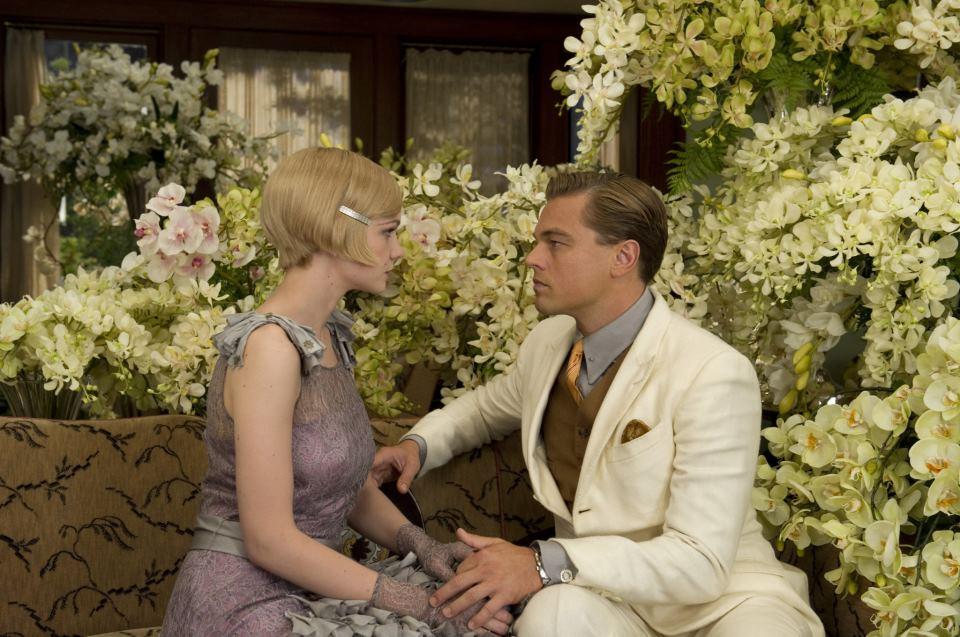
The Great Gatsby is a great book about grief that has built a lasting legacy. Ever since its publication in 1925, F. Scott Fitzgerald’s book has become a classic. In 2013, Baz Luhrmann did a great job of adapting the book in his movie “The Great Gatsby”. Unlike most movies in the genre, what makes “The Great Gatsby” stand out is its depiction of the 1920’s. Luhrmann uses voice-over narration to capture the life of a mysterious millionaire overcoming poverty in the 1920’s. Assisted by Leonardo DiCaprio who is amazing in the lead role, Luhrmann honours an iconic book published years ago. A great adaptation of a book about millionaires that are mysterious, it’s a magnificent reminder of a commemorated genre that has made unforgettable movies about dangerous emotions of grief faced by families which audiences consider commonly precious.
:max_bytes(150000):strip_icc()/george-clooney-in-the-descenda_320-d78f2d20d2464691817674e1e9d97f2b.jpg)
9. The Descendants
Alexander Payne is a fantastic filmmaker that has often made movies about families facing pain. Payne has built an image of being a director that thrives at capturing families facing emotional damage. Payne’s strength for making movies about families facing resentments is clearly evident in his film “The Descendants”. Released in 2011, Payne’s movie captured a family impacted by a boating tragedy. Unlike most movies in the genre, what makes “The Descendants” stand out is its sharp sense of humour. Payne effectively uses tragicomedy to capture a family impacted by tragedy. Assisted by George Clooney who is amazing in the lead role, Payne created a powerful portrait of families facing pain. As strong as Matt’s bond with his daughter, it’s a dazzling reminder of a genre that has made movies which audiences commonly treasure.

10. American Beauty
Few movies ever made about broken families facing grief are as beloved as “American Beauty”. Since its release in 1999, Sam Mendes’ movie has become a classic. Mendes’ film forever changed the genre through its depiction of suburban families facing grief. Mendes effectively used voice-over narration to capture a grief-stricken American family facing tension. Although I’ve always loved the movie, it has aged poorly. Sexual assault allegations levelled against Kevin Spacey have forever tarnished the film’s legacy. Nevertheless, it remains a strong addition to the genre. As strong as beauty sought by Lester Burnham, it’s a powerful reminder of a genre that has manufactured unforgettable movies that offer wisdom about grim consequences of grief which I will forever treasure for inspiring me to accomplish my dreams of film criticism.

 The Film Buff