
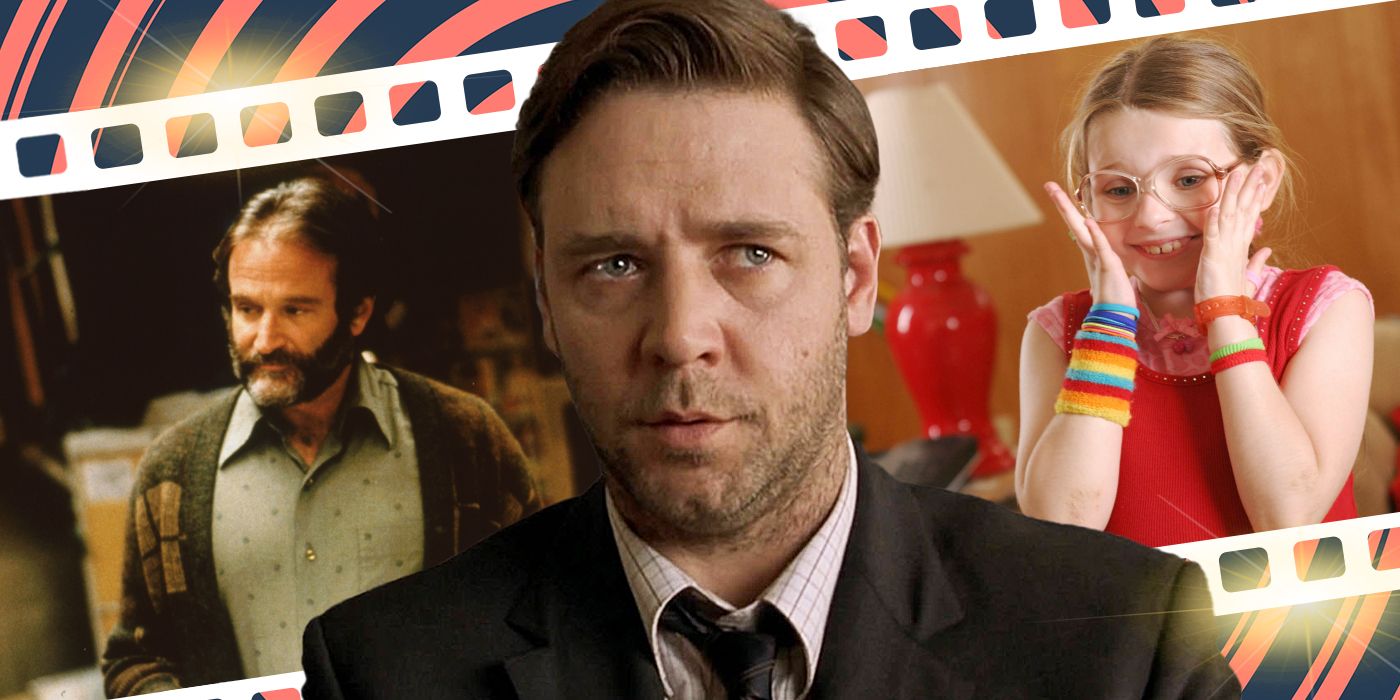


Not many subjects make for movies as engaging as disease. Since the 1970’s, stories of disease have often made for captivating movies. Whether it’s terminally ill lovers, Autistic brothers or dying writers, the genre has created several strong characters. Given the number of movies in the genre, making a top 10 list isn’t easy. Nevertheless, listed below are my favourite films about mental illness that deserve to be celebrated.
1. A Beautiful Mind
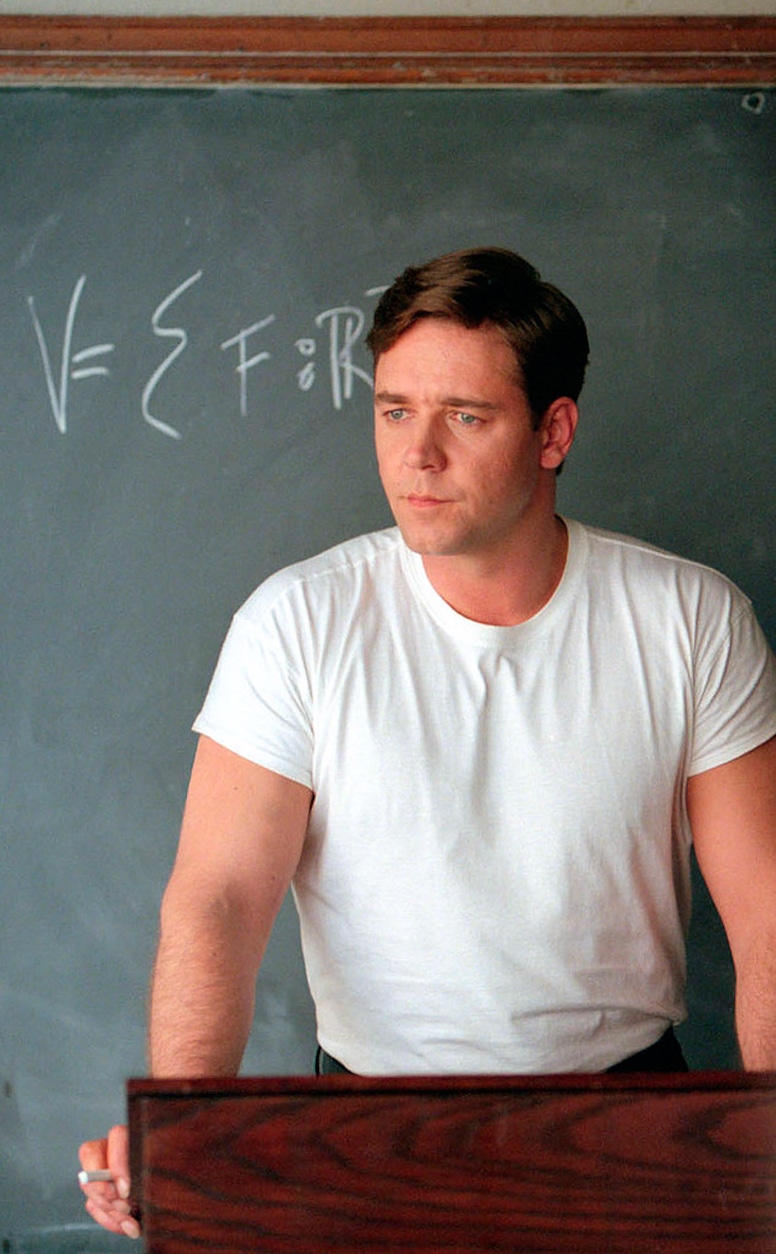
Schizophrenia is a dark disorder that fascinated my teacher. I fondly recall with nostalgia memories of a great teacher that was fascinated with Schizophrenia. In high school, I formed strong bonds with a bold psychology professor that was interested in a dark mental disorder that was cruel. He often sought to educate students about illness causing minds of people to deteriorate. Fascinated with a grim disorder affecting the mind, my teacher was determined to leave a lasting legacy behind. Few films I’ve ever seen have captured how a disease can impact the mind as powerfully as “A Beautiful Mind”. Ever since its release in 2001, Ron Howard’s movie has stood the test of time as the greatest film ever made about diseases. With the greatest film of his career, Howard used innovative cinematic techniques to capture the turmoil of a real-life mathematician that faced despair. Howard has always had an aptitude for making great movies about the lives of geniuses with an intelligent nature, and “A Beautiful Mind” showcased his strengths as a filmmaker. For instance, the scene in which John Nash experiences a nervous breakdown when he realizes that his roommate Charles Herman is a figment of his imagination causing a dilemma is one of the finest moments of the genre. At the centre of it all is a great role by Russell Crowe, who embodies a mathematician that faced sorrow years ago. Ultimately, what makes “A Beautiful Mind” my favourite film about diseases of all-time is its universal appeal. Viewers don’t need to be familiar with John Nash’s commemorated theories to appreciate it. The film delivers a profound message about mental illness which would resonate with everyone. Nearly 30 years after the release of a classic film about a brilliant genius with a beautiful mind, it’s a bold reminder about a one-of-a-kind genre leaving a legacy behind.

2. Bright Star
Writing is a passion that I’ve always enjoyed pursuing. As far back as I remember, I have always wanted to become a famous writer. At an early age, I developed the lifelong hobby of writing words on the page. During childhood, I developed lifelong passions for writing about the art of filmmaking. Despite facing cyberbullying, nothing has stopped me from pursuing my passion for writing. As someone that has sought to become a writer reaching a high bar, I adored “Bright Star”. Released in 2009, Jane Campion’s movie captured a legendary poet suffering from diseases in English history. Campion successfully used montages capturing the struggles of a legendary poet with a devastating terminal illness. For instance, the scene in which Fanny first becomes aware that John Keats suffers from diseases causing despair is one of the finest moments of the genre. At the centre of it all is an incredible performance by Ben Whishaw, who portrayed a poet inspiring awe. Ultimately, what makes “Bright Star” a timeless classic is its universal appeal. Unlike most movies about poets, it tackles themes that everyone would relate to. A powerful portrait of a poet that readers celebrate, it’s a riveting reminder of a genre that has made movies about frightening diseases audiences appreciate.
3. The Elephant Man
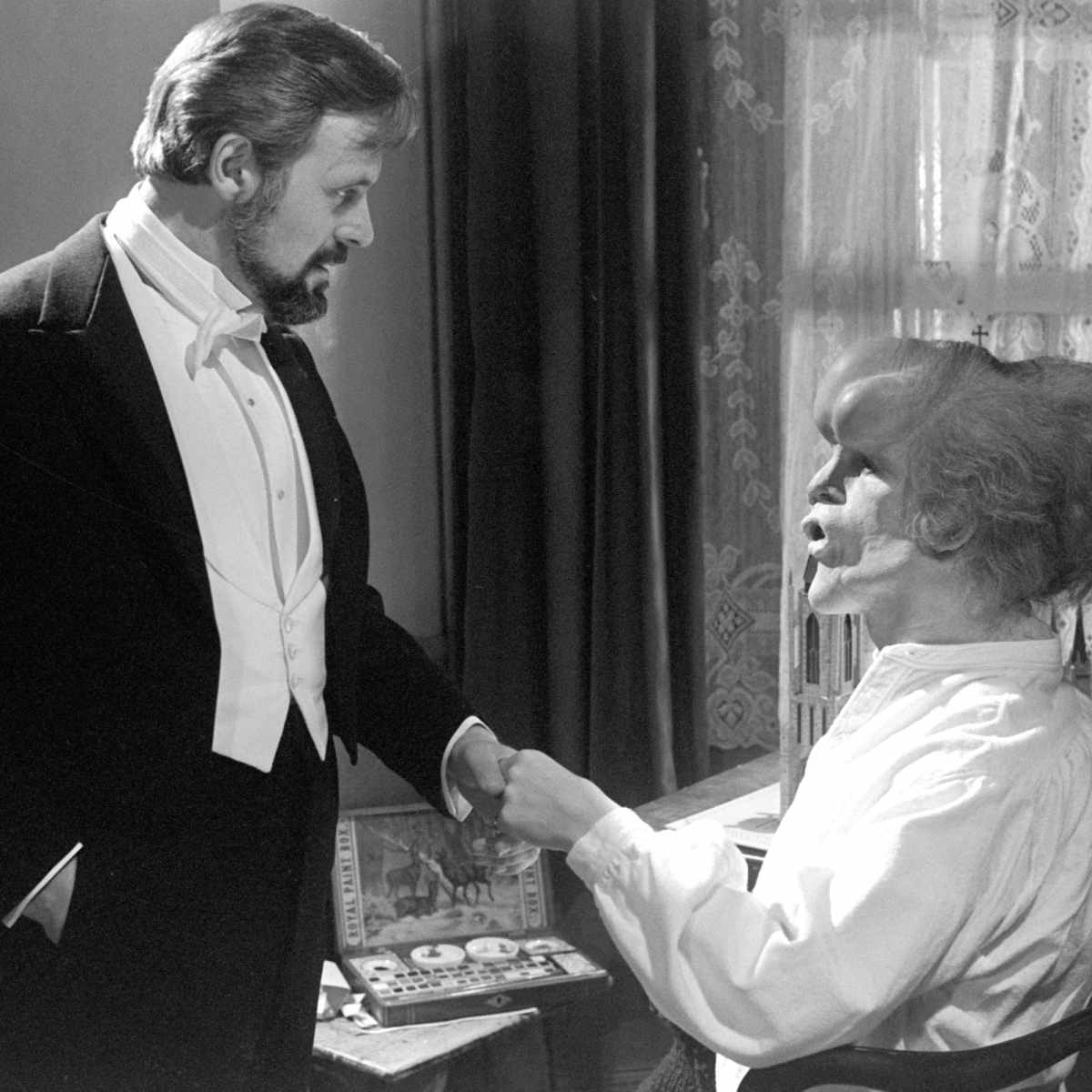
Facial deformities shaped my classmate’s identity. Several years ago, I witnessed a poor classmate in school suffering from severe facial deformities which caused sorrow. Due to his disturbing appearance, he was an easy target for mean school bullies that would ruin self-confidence. He would often be humiliated for his public appearance which left people devastated. As someone that saw how facial deformities can ruin a person’s life, I appreciated “The Elephant Man”. Released in 1980, David Lynch’s movie captured the life of a man with severe facial deformities. Lynch uses stunning black-and-white visuals to capture the frightening obstacles a man with facial deformities is facing. For instance, the scene in which John Merrick protests against crowds of people humiliating him in public by saying that he is a human causing trauma is one of the finest moments of the genre. At the centre of it all is an incredible performance by John Hurt, who embodied a man with severe facial deformities. Ultimately, what makes “The Elephant Man” a classic is its timeless appeal. Unlike most movies made during the 1980’s which tend to be outdated, it tackles strong themes that remain relevant today. A captivating portrait of men with deformities that are frightening, it’s a riveting reminder of a genre making movies which are definitely worth celebrating.

4. The Father
Dementia is a devastating disorder that impacted my grandma. I recall with nostalgia memories of a great grandma that suffered from Dementia. Over the last few years, I noticed my grandmother becoming forgetful. She would have the bad habits to forget certain crucial things in her life such as places, events and people that were important. As someone treasuring a grandmother that suffered from a severe memory disorder, I adored “The Father”. Released in 2020, Florian Zeller’s Oscar-winning movie captured the life of an aging father with memory disorder. Zeller used captivating unreliable narration to capture the deteriorating mind of a father with memory loss causing tension. For instance, the scene in which Anthony has an emotional breakdown in the hospital becoming aware that he suffers from Dementia is one of the finest moments of the genre. At the centre of it all is an extraordinary performance by Anthony Hopkins, who portrayed a father with memory disorders. Ultimately, what makes “The Father” a masterpiece is its message. It delivers a meaningful message about memory loss which would resonate with everyone. A powerful portrait of memory loss causing lives of fathers to deteriorate, it’s a dazzling reminder of a commemorated genre that has manufactured unforgettable movies about disorders which audiences appreciate.
5. Rain Man
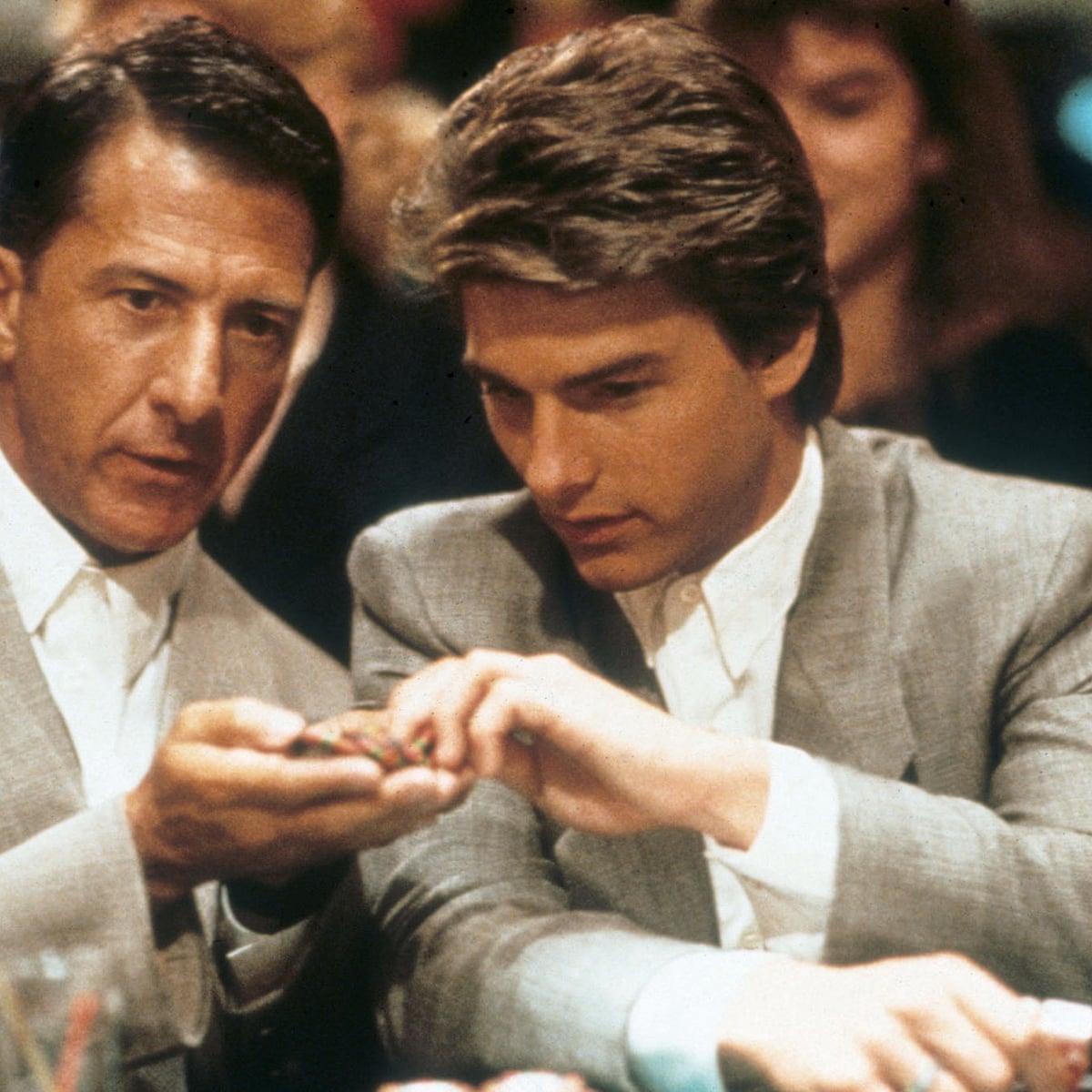
Autism has shaped my personality. At an early age, my life changed when I was diagnosed with a disease causing damage. Being Autistic affected my abilities to form a strong relationship with my brother. I remember finding it hard to interact with my brother due to my intellectual disorder. Few films I’ve ever seen have captured how Autism can affect relationships with family as powerfully as “Rain Man”. Ever since its release in 1988, Barry Levinson’s movie has stood the test of time as a classic about relationships between brothers. Levinson has always excelled at using montages in his movies, and “Rain Man” showcased his strengths as a filmmaker. For instance, the scene in which Raymond experiences a nervous breakdown hearing noises of the smoke alarm causing a dilemma is one of the greatest moments of the genre. At the centre of it all is an incredible performance by Dustin Hoffman, who embodied a complicated mental condition. Ultimately, what makes “Rain Man” a masterpiece is its universal appeal. Unlike most movies about Autism, it tackles strong themes that everyone would relate to. It delivers a meaningful message about bonds between brothers which would resonate with everyone. An inspiring portrait of Autism, it’s an astonishing reminder about a genre that manufactured memorable movies achieving stardom.

6. Silver Linings Playbook
Bipolar is a devastating disease that impacted my aunt’s identity. Years ago, my aunt was diagnosed with bipolar disorder causing sorrow. As someone treasuring an aunt with Bipolar that adopted a negative life outlook, I adored “Silver Linings Playbook”. Released in 2012, David O. Russell’s movie captured the impact of Bipolar on a dysfunctional family. Unlike most movies in the genre, what makes “Silver Linings Playbook” stand out is its depiction of trauma. Russell uses captivating montages capturing hardships a man with Bipolar is facing. Assisted by Bradley Cooper who is remarkable in the lead role, Russell created a compelling portrait of Bipolar disorder. A powerful portrait of mental illness, it’s a riveting reminder of a commemorated genre that has made memorable movies raising awareness for disorders causing immense sadness.
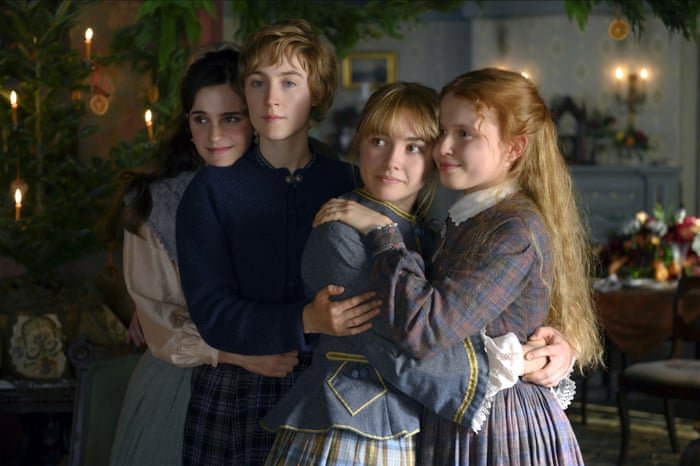
7. Little Women
When it comes to the greatest books ever written about diseases faced by women, it’s worth discussing Little Women. Since its publication in 1868, Louisa Mary Alcott’s movie has become a beloved literature classic. In 2019, Greta Gerwig honoured the iconic book about women battling diseases in her movie “Little Women”. Unlike most movies in the genre, what makes “Little Women” stand out is its feminist perspective. Gerwig uses captivating non-linear storytelling capturing hardships that women battling fatal diseases are experiencing. Assisted by Saoirse Ronan who is amazing in the lead role, Gerwig honoured a beloved book about women. Centuries following the publication of a celebrated book about women, it’s a riveting reminder of a genre that has manufactured memorable movies which deserve immense appreciation.

8. The King’s Speech
King George V is a legendary member of the royal family that fought diseases causing adversity. A troubled leader, George V suffered from severe speech impediments affecting his ability to guide the country. In 2010, Tom Hooper honoured the iconic political leader with speech disabilities in his movie “The King’s Speech”. Unlike most movies in the genre, what makes “The King’s Speech” stand out is its depiction of speech impediments. Hooper uses captivating montages capturing a royal figure that suffered from speech disabilities that are frightening. Assisted by Colin Firth who is amazing in the lead role, Hooper honoured the king’s legacy. As strong as King George V’s desire to overcome speech disabilities that are frightening, it’s a riveting reminder of a genre making memorable movies which are definitely worth celebrating.

9. Dallas Buyers Club
AIDS is a sensitive disease that is rarely depicted accurately in movies. Hollywood has often avoided depicting a disorder in movies that is widely misunderstood. In an industry where AIDS is rarely ever discussed in a club, it’s worth praising “Dallas Buyers Club”. Released in 2013, Jean Marc-Valee’s movie depicted the AIDS crisis in history. Unlike most movies in the genre, what makes “Dallas Buyers Club” stand out is its depiction of homophobia. Valee uses captivating montages capturing hardships that a homophobic man contracting AIDS is facing. Assisted by Matthew McConaughey who is amazing in the lead role, Valee created a compelling portrait of AIDS. A powerful portrait of the heavy burden queer men bear, it’s a riveting reminder of a commemorated genre that has made great movies about which audiences care.
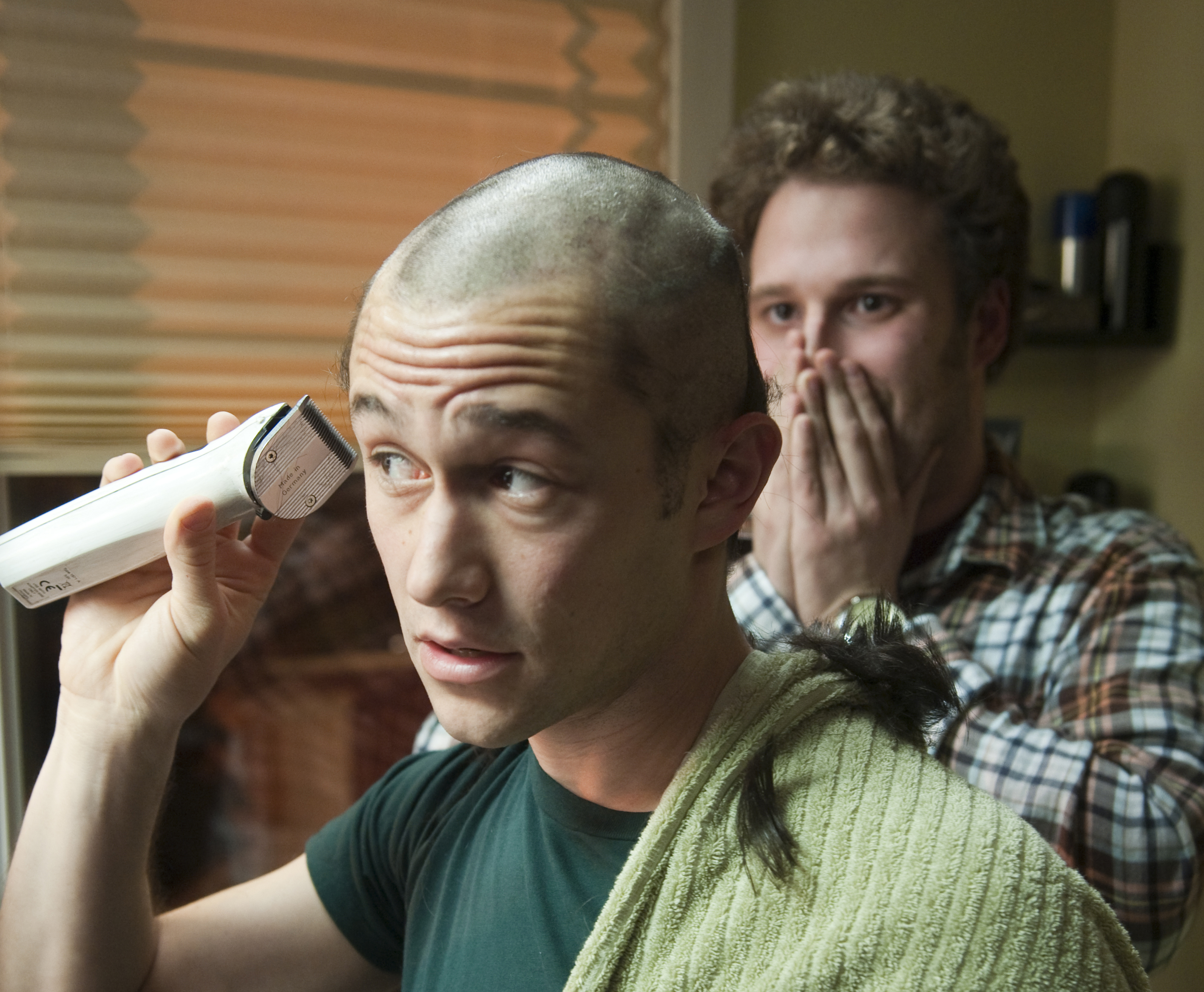
10. 50/50
Few movies ever made about Cancer patients with a 50/50 chance of living are as beloved as “50/50”. Released in 2011, Jonathan Levine’s comedy offered a captivating comical portrait of Cancer. Levine used captivating comedy capturing hardships that Cancer patients with a short chance of living are facing. Assisted by Joseph Gordon-Levitt who is superb in the lead role, Levine created a captivating Cancer comedy. Although I admired the movie, it has aged poorly. The film’s use of humour to depict a disease has tarnished its legacy. Nevertheless, it’s a strong addition to the genre. As strong as Adam’s desire to overcome Cancer with a 50/50 chance of survival, it’s a powerful reminder of a genre making memorable movies about painful diseases which I will forever treasure for inspiring my lifelong love of filmmaking that’s special.

 The Film Buff