


Not many genres have achieved popularity of poverty. Since the 1970’s, impoverished families have often made for engaging movies. Whether it’s parasitic housekeepers, impoverished fathers or Wall Street stockbrokers, the genre has created many characters. Given the number of movies in the genre, making a top 10 list isn’t easy. Nevertheless, listed below are my favourite films about poverty that deserve to be celebrated.

1. Parasite
Housekeepers have impacted my family. Several years ago, my grandparents faced grief when they discovered that their beloved housekeeper was a thief. I remember that he was a generous housekeeper that would often tend to my grandparents’ needs in a kind manner. However, my housekeeper’s strong bond with my family ended when he engaged in grim criminal behaviour. My grandparents were shocked to find that he had stolen precious jewelry. Few films I’ve ever seen have captured the tight social class barriers that poor people fight as powerfully as “Parasite”. Ever since its release in 2019, Bong Joon-ho’s movie has stood the test of time as the greatest movie ever made about poverty. With the greatest film of his career, Bong Joon-ho used innovative cinematic techniques to capture an impoverished Korean family facing despair. Bong Joon-ho has always had an aptitude for making great movies about poverty in his home country, and “Parasite” showcased his strengths as a filmmaker. Bong Joon-ho effectively used symbolism to capture a poor Korean family impacted by poverty causing tragedy. For instance, the scene in which the Kim family’s house is destroyed by a frightening flood causing a nerve-wracking dilemma is one of the finest moments of the genre. At the centre of it all is an extraordinary performance by Song Kang-ho, who demonstrated a desperate Korean man seeking to commit grim crimes to provide for his family. Ultimately, what makes “Parasite” my favourite poverty film of all-time is its universal appeal. Unlike most movies occurring in South Korea that are targeted towards citizens of the country, it tackles commemorated themes that everyone would relate to. It delivers a heartbreaking message concerning frightening inequalities which would resonate with everyone. A phenomenal portrait of parasite challenges that housekeepers in South Korea fight, it’s a breathtaking reminder of a commemorated genre that has manufactured memorable movies acknowledging impoverishment which deserve to achieve the spotlight.

2. Slumdog Millionaire
India is a misunderstood country that’s rarely depicted accurately in movies. At an early age, I formed bonds with a friend that criticized movies giving India a bad image. Born in Mumbai slums, he was critical of movies depicting his country. He believed movies were an art that couldn’t honour a country holding a special place in his heart. As someone treasuring a friend that sought to become an Indian millionaire, I adored “Slumdog Millionaire”. Released in 2008, Danny Boyle’s movie captured poverty in India. Boyle effectively used real-life locations across India to capture the downtrodden lives of impoverished orphans in the country. For instance, the scene in which Jamal is overcome with joy after he wins the game show becoming a millionaire in India is one of the finest moments of the genre. At the centre of it all is an incredible performance from Dev Patel, who embodied an impoverished Indian boy seeking to become a millionaire. Ultimately, what makes “Slumdog Millionaire” a classic is its depiction of India. Unlike most movies about India, it tackles strong themes that would resonate with everyone. It delivers a meaningful message about poverty in India which would resonate with everyone. As strong as Jamal’s desire to be a millionaire, it’s a breathtaking reminder of a genre that has manufactured movies about which audiences care.

3. There Will be Blood
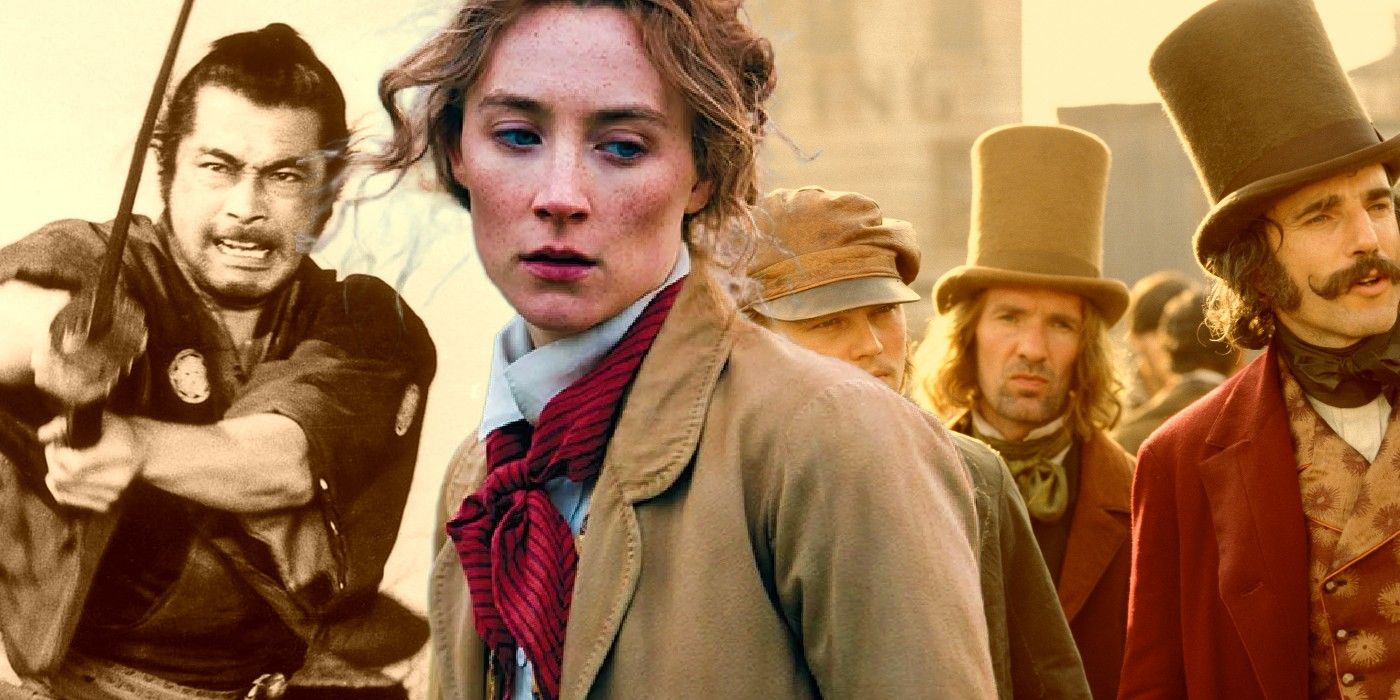
Poverty affects abilities of businessmen to succeed. Several years ago, I witnessed a friend from a lower-class background struggle to open a sports business causing sorrow. Born in a lower-class family, he struggled to achieve dreams of prosperity. As someone haunted by a poor friend that faced bad blood, I loved “There Will Be Blood”. Released in 2007, Paul Thomas Anderson’s movie captured the life of a greedy oil prospector overcoming poverty. Anderson uses captivating voice-over narration to capture the journey of an impoverished man that becomes a successful entrepreneur. For instance, the scene in which Daniel Plainview strikes a successful business deal helping his family overcome poverty causing a dilemma is one of the finest moments of the genre. At the centre of it all is a great role by Daniel Day-Lewis, who embodied an impoverished entrepreneur seeking business success. Ultimately, what makes “There Will be Blood” a masterpiece is its message. The film delivers a meaningful message about capitalism which would resonate with everyone. As precious as the oil sought by Daniel Plainview, it’s a breathtaking reminder of a great genre that has made timeless movies about hardships poor people go through which audiences value.
4. To Kill a Mockingbird
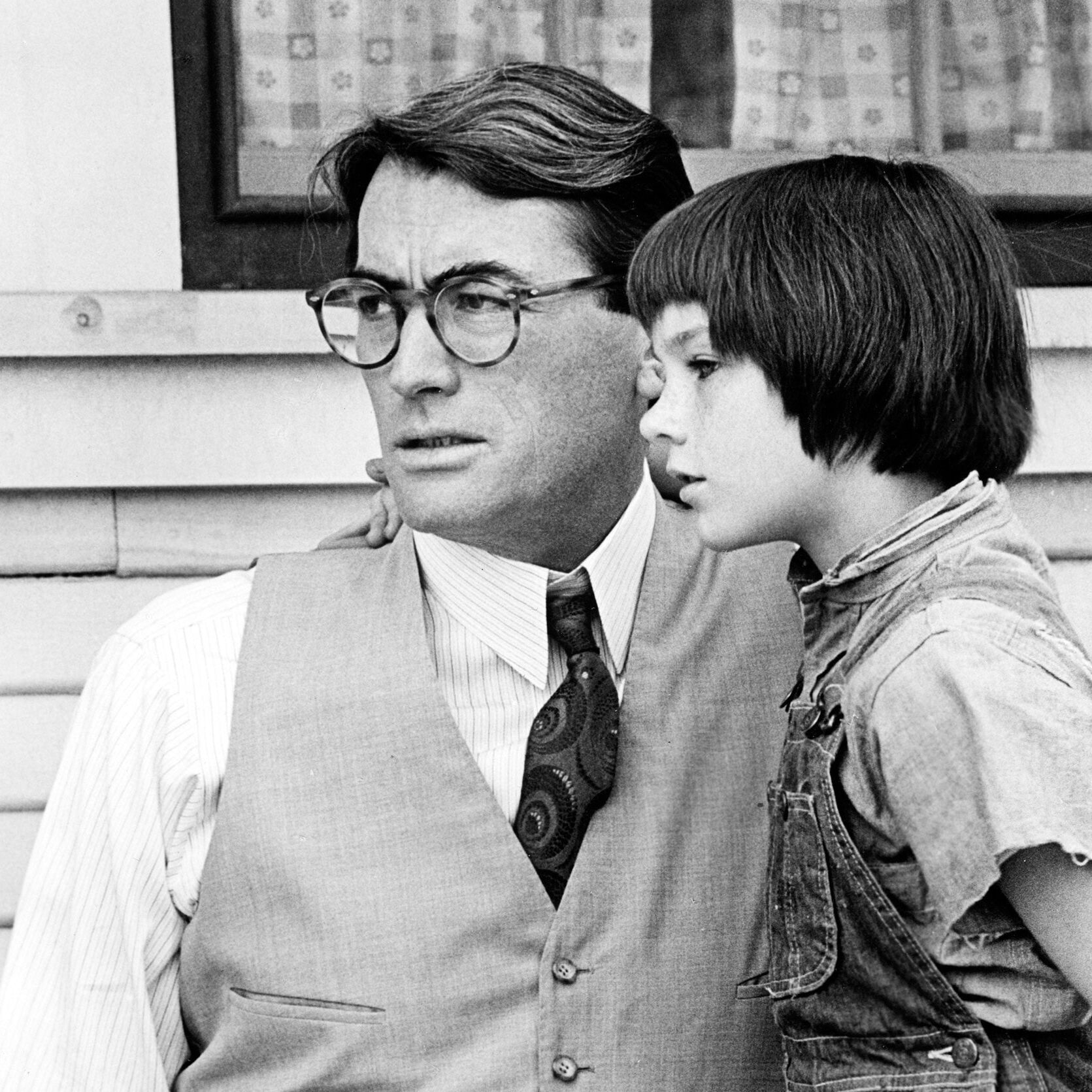
To Kill a Mockingbird is a legendary book about poverty that my teacher always loved dearly. I remember my teacher adored a classic book about poverty that he considered timeless literature. Fond of Atticus, he would love to discuss a book about poverty that was dangerous. In 1962, Robert Mulligan honoured the classic book about impoverished families seeking to be heard in his movie “To Kill a Mockingbird”. Mulligan did an extraordinary job of adapting a classic book to the big-screen through dramatic monologues. For instance, the scene in which Atticus spends time with Scout on the porch teaching her valuable lessons about life during the segregation era is one of the finest moments of the genre. At the centre of it all is an extraordinary performance by Gregory Peck, who embodies an inspirational father seeking to overcome poverty. Ultimately, what makes “To Kill a Mockingbird” a classic film is its universal appeal. Unlike most movies made during the 1960’s which tend to be outdated, it has aged beautifully. Viewers don’t need to be fans of the book to appreciate its strong themes. As strong as Atticus’ bond with Scout, it’s a riveting reminder of a genre making movies which deserve to be talked about without a doubt.

5. The Pursuit of Happiness
Fathers are powerful figures that shape children’s futures. As far as I remember, I have always shared bonds with my father. A role model, he motivated me to achieve dreams that I am pursuing. I appreciate sacrifices he has made in business in order to ensure my pursuit of happiness. As someone treasuring fond memories of a father in the pursuit of happiness, I appreciated “The Pursuit of Happiness”. Released in 2006, Gabriele Muccino’s movie captured dedicated fathers. Muccino uses captivating montages to capture an impoverished father working hard in business to ensure his son’s happiness. For instance, the final scene in which Chris receives the joyous news that he has been hired for his job in media is one of the finest moments of the genre. At the centre of it all is an extraordinary performance by Will Smith, who embodied a father seeking to ensure his son’s bright future. Ultimately, what makes “The Pursuit of Happiness” a masterpiece is its message. The film delivers a bold message about fatherhood which would resonate with everyone. As strong as Chris’ pursuit of happiness, it’s a riveting reminder of a genre that has produced movies raising awareness about poverty which have always given audiences feelings of happiness.

6. The Great Gatsby
When it comes to the greatest books ever written about poverty, it’s worth discussing The Great Gatsby. Ever since its publication in 1925, F. Scott Fitzgerald’s book has become a classic. In 2013, Baz Luhrmann did a great job of adapting the book in his movie “The Great Gatsby”. Unlike most movies in the genre, what makes “The Great Gatsby” stand out is its depiction of the 1920’s. Luhrmann uses voice-over narration to capture the life of a mysterious millionaire overcoming poverty in the 1920’s. Assisted by Leonardo DiCaprio who is amazing in the lead role, Luhrmann honours an iconic book published years ago. A great adaptation of a famous book about millionaires that are mysterious, it’s a magnificent reminder of a commemorated genre that has manufactured bold movies which audiences consider precious.

7. The Hunger Games
The Hunger Games is great literature capturing poverty that causes danger. Since its publication in 2008, Suzanne Collins’ book has become a classic readers appreciate. Poverty has always been a central theme in the legendary book. In 2012, Gary Ross honoured the book about games in his movie “The Hunger Games”. Unlike most movies in the genre, what makes “The Hunger Games” stand out is its feminist point-of-view. Ross uses captivating montages capturing an impoverished girl facing games that are frightening. Assisted by Jennifer Lawrence who is amazing in the lead role, Ross created a captivating adaptation of a celebrated book about poverty. As strong as Katniss’ desire to become a feminist hero, it’s a riveting reminder of a commemorated genre that has made unforgettable movies giving audiences dreams to follow.

8. Moonlight
Gay people are rarely depicted respectfully in movies today. Hollywood has a history of building barriers against LGBTQ communities. In an industry where barriers queer people fight are hidden in plain sight, it’s worth praising “Moonlight”. Released in 2016, Barry Jenkins’ movie captured black queer boys facing poverty. Unlike most movies in the genre, what makes “Moonlight” stand out is its sensitive depiction of LGBTQ communities. Barry Jenkins used symbolism to capture hardships queer men raised in poverty-stricken neighbourhoods are facing. Anchored by a phenomenal performance by Mahershala Ali, Jenkins celebrated the LGBTQ community. A powerful portrait of poverty-stricken gay men facing a price to pay, it’s a profound reminder of a genre that has made unforgettable movies which deserve to be celebrated today.

9. Pride & Prejudice
Jane Austen is a legendary author that often written stories about poverty earning recognition. Poverty has always been a common theme in Austen’s books, and it is most evident in Pride & Prejudice. In 2005, Joe Wright honoured the classic book about poverty in his movie “Pride & Prejudice”. Unlike most movies in the genre, what makes “Pride & Prejudice” stand out is its period setting. Wright uses gorgeous production-design to capture the lives of downtrodden impoverished families in the 18th Century experiencing a decline. Assisted by Keira Knightley who is superb in the lead role, Wright honoured a commemorated book about poverty. A powerful adaptation of a commemorated book about poverty-stricken women with pride, it’s a bold reminder of a genre making great movies which leave audiences satisfied.
10. Willy Wonka and the Chocolate Factory
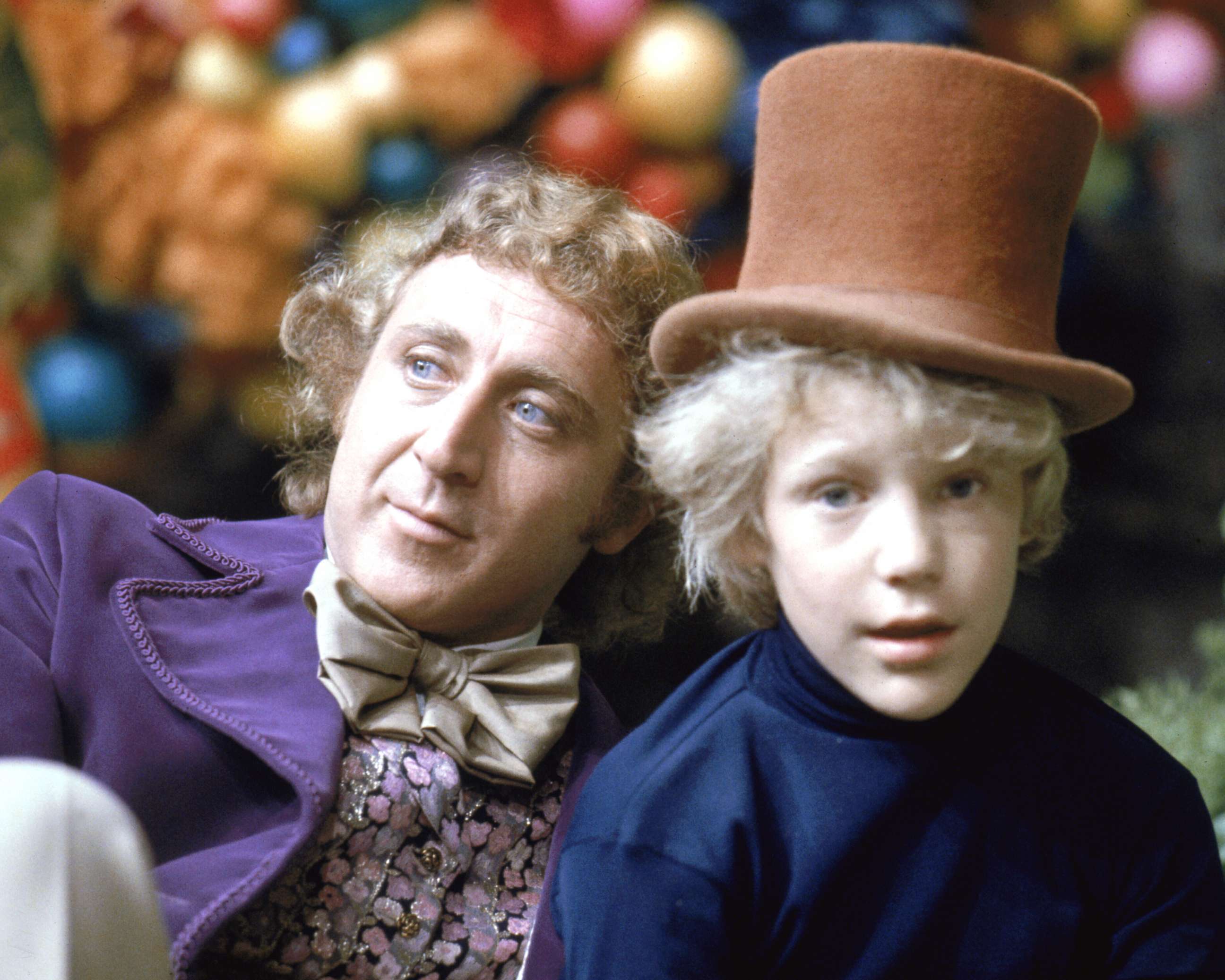
Few movies ever made about poverty are as beloved as “Willy Wonka and the Chocolate Factory”. Since its release in 1971, Mel Stuart’s movie has become a celebrated classic. Stuart staged captivating musical numbers capturing a child overcoming poverty. Assisted by Gene Wilder who is extraordinary in the lead role, Stuart created a beautiful adaptation of a book. Although I loved the movie, its depiction of poverty has aged poorly. The film’s depiction of a child overcoming poverty by visiting a chocolate factory has tarnished its legacy. Nevertheless, it’s a strong addition to the genre. As precious as Willy Wonka’s chocolate factory, it’s a delicious reminder of a genre making great movies about poverty causing people to face tragedy which I will forever treasure for inspiring me to turn my dreams of film criticism into reality.

 The Film Buff