
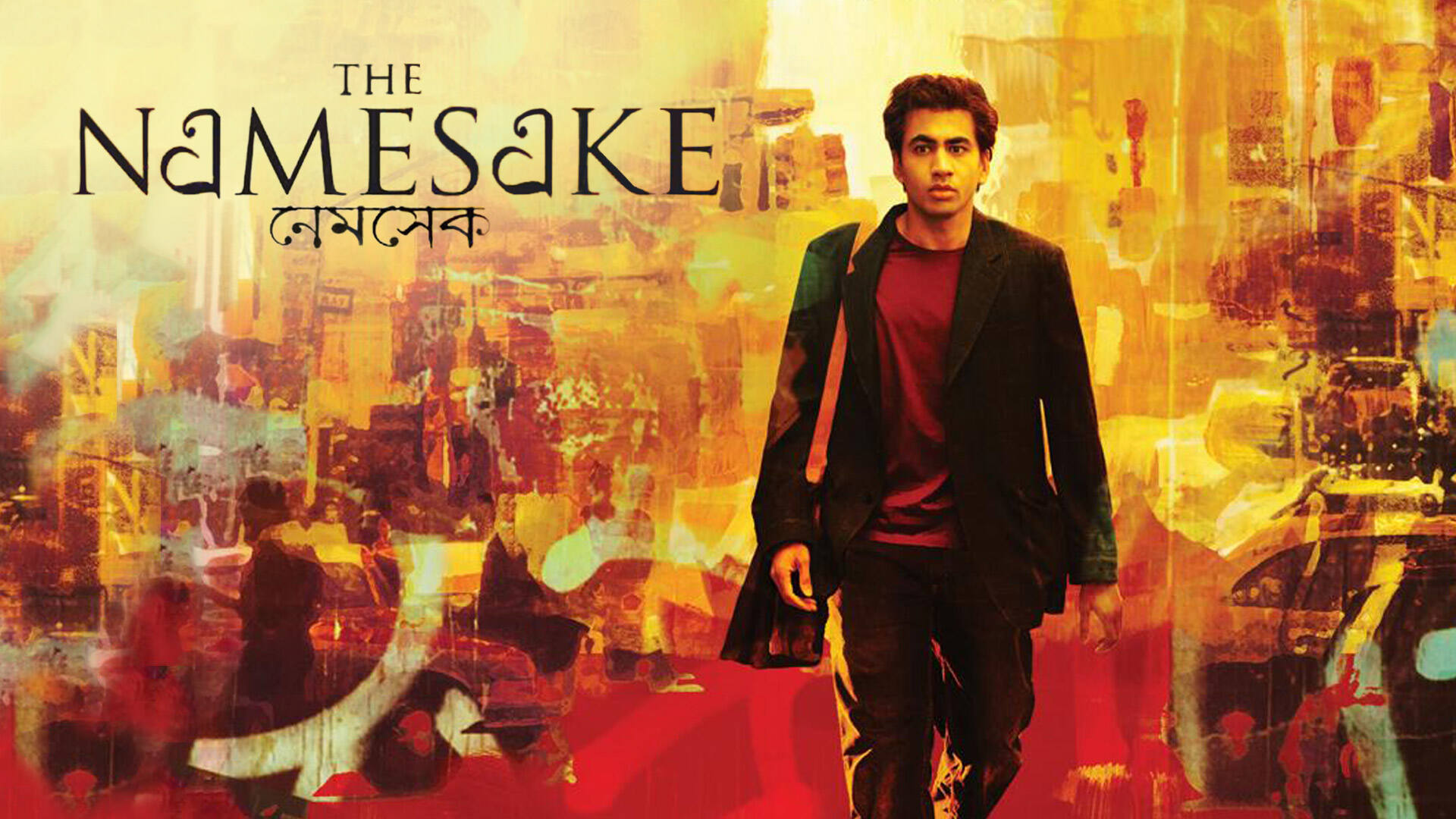
Writer/Director: Mira Nair
Starring: Irrfan Khan, Tabu and Kal Penn
‘A Magnificent Masterpiece’
Few actors in Bollywood are as celebrated as Irrfan Khan. Ever since his rise to fame during the 1960’s, Khan appeared to be a star with a bright future in the industry. Whether it’s star-crossed lovers, gangsters or storytellers, Khan proved he could portray several unforgettable characters. Khan’s finest strength as an actor was always his versatility. Through his abilities to portray commemorated characters that are relatable, Khan became an actor audiences value. Khan was an actor with the rare ability to convey emotion through his expressions without speaking any words. However, in 2020 Khan’s great career was all of a sudden cut tragically short when he passed away from Cancer. A devastating death, Khan’s passing left the Bollywood film industry mourning. Khan’s shocking death marked a huge loss for the film industry. His unexpected death left movie-goers in India which grew up watching the actor emotionally affected. In the wake of his tragic death, Khan left behind several unforgettable movies which are worth celebrating. Throughout his commemorated career, Khan created many strong movies that are worth watching.
I’m a huge fan of Khan and adore all the films he made throughout his career. However, “The Namesake” is my favourite. Since its release in 2006, Mira Nair’s film has stood a test of time as an Indian classic. Nair did an incredible job of adapting a book about Indian immigrants on the big-screen. Packed with strong production, sharp storytelling and phenomenal acting, it’s one of the best Indian films ever made. At the centre of it all is an incredible performance by Irrfan Khan, who embodies the hardships of an Indian immigrant struggling raising his family in America. Ultimately, “The Namesake” remains an incredible film because of its message. The film delivers a universal message which would resonate with everyone which has endured the experiences of immigration. Unlike most Indian films, it tackles themes everyone would relate to. A mesmerizing Indian masterpiece about the challenges of immigration, there are many reasons why “The Namesake” is a film which is worth seeing.
Based on the beloved book, “The Namesake” tells a story of an Indian family experiencing immigration which causes heartache. Irrfan Khan portrays Ashoke Ganguli, an Indian man seeking to be settled down in life. Ashoke’s dreams come true when he marries Ashima (Tabu), a woman with strong value. Seeking to build a family together, the pair embark upon a journey immigrating from Calcutta to America. Ashoke is initially excited by the prospects of migrating his family to America. However, the process of immigration comes with negative consequences that destroy the family’s future. A huge life transition, immigration causes the couple to face tensions struggling to balance their culture of home with lifestyle of America. Ashoke’s son Gogol (Kal Penn) grows up to be an assimilated immigrant unsure regarding his identity. Facing a dilemma, Ashoke questions if he will ever be able to settle his family down in a country which is far removed from his home of India.
Mira Nair is fascinated with the stories about Indian culture. A world-famous filmmaker in India, Nair has often told stories that capture lives of individuals in her county. Her previous movie “Monsoon Wedding” offered engaging depictions of the culture of weddings in India. With “The Namesake”, however, Nair created her first adaptation. It was the director’s first attempt to adapt an iconic book about lives of Indian immigrants on the big-screen, but she succeeds tremendously. Visually, the movie is a feast for the eyes. Nair effectively employs montages to capture the struggle endured by Indian immigrants that seek to settle down in America. Through stunning cinematography, Nair captures an Indian family struggling to adjust towards life in America. For instance, montages elevate the American immigration scene. During this memorable scene, Ashoke and his wife struggle to adjust towards life in New York after leaving Calcutta. Montages are tricky techniques to use in movies. As Danny Boyle’s “Slumdog Millionaire” demonstrated, montages elevate movies about millionaires. Nevertheless, it works immensely in this movie. Through breathtaking visuals, Nair captures hardships faced by a family embarking upon journeys immigrating.
Another admirable aspect of “The Namesake” worth discussing is production-design. From a technical perspective, the movie is extremely well-made. Nair has often excelled designing sets for her movies, and “The Namesake” is no exception. Nair effectively uses real-life locales in India to capture the struggle experienced by an Indian immigrant family. For instance, real-life locales elevate the Taj Mahal scene. During this memorable scene, Ashoke and his family pay a visit to the Taj Mahal. One appreciates the real-life locales in India capturing culture of an Indian family. Through these locations, Nair celebrates a book about Indian cultures people value. Moreover, the musical score is magnificent. Nithin Sawhney’s music is key to the movie’s success. It gives the movie a rich atmosphere capturing the heavy burden that an Indian immigrant family must bear. Through powerful production-design, Nair captures the hardship endured by Indian immigrants whose lives decline.
Storytelling is one of the key reasons why “The Namesake” is a captivating Indian classic that is worth seeing. The film is beautifully written, and effectively uses symbolism to capture the powerful bonds between a father and his son. Nair’s screenwriting strength is capturing the strong bonds between an Indian father and his son through symbolism. Throughout the film, Gogol’s namesake becomes a symbol of his connection to India. It represents the powerful bond that an Indian man shares with his father. For instance, the ingenious symbolism of the namesake elevates the father-son discussion scene. During this heartbreaking scene, Gogol discovers the true significance about his name in a revealing conversation that he has with his father. One admires symbolism which captures the strong bond between fathers and children. Symbolism is a tricky technique to use in films. As Ang Lee’s “Life of Pi” suggested, symbolism elevates literature adaptations about survival. Aamir Khan’s “Taare Zameen Par” suggested symbolism elevates movies about intellectual disabilities. Nevertheless, it works immensely in this movie. Through a stunning screenplay, Nair captures the hardships experienced by Indian immigrants that face a price to pay.
One appreciates astonishing performances.

Irrfan Khan delivers one of his finest career performances as Ashoke. Khan first gained appreciation for playing gangsters in crime movies. With “The Namesake”, however, he depicted his most complex character. It isn’t easy to embody the personality of an Indian man struggling to raise his family in America, but he succeeds tremendously. It’s a role that gave the actor chance to showcase emotional range which he hadn’t showcased in his career before. This is the actor unlike you have ever seen before: intense, emotional and charming in his most memorable role. With mesmerizing expressions, he captures the angst, frustration and heartache of an Indian man struggling to adjust towards life in America. It’s a fantastic performance from one of the greatest actors working in India that’s sadly no longer with us today.
Tabu is terrific as a woman which struggles to adjust towards life in America after leaving her homeland she has grown to value. While Khan gets the showier role, Tabu is also excellent as a woman whose life spirals out of control. Tabu is one of those actresses that excels conveying emotions through her expressions without any dialogue, and “The Namesake” showcased her strengths as an actress. As Ashmia, Tabu uses subtle expressions to capture a woman facing hardships of immigration. Whether she’s flirting with Ashoke on a road trip to the Taj Mahal or mourning the loss of her son’s namesake, Tabu effectively uses her expressions to convey the emotions endured by a woman. It’s a phenomenal performance from one of the finest actresses working in India today.
Lastly, Kal Penn merits appreciation. As Gogol, Penn captures the heartache of a man which struggles to understand his namesake.
Finally, “The Namesake” will earn appreciation of everyone for capturing immigration causing heartache. Unlike most Bollywood movies, the film tackles universal themes everyone would relate to. It discusses strong themes including identity, culture and family which would strike a chord with everyone. Viewers aren’t required to be Indian in identity to appreciate the film. It delivers a universal message about challenge of immigration which would resonate among everyone. Therefore, “The Namesake” is one of those rare Indian films that everyone would adore.
Fans of Irrfan Khan will definitely appreciate “The Namesake” and so will movie-goers seeking heartbreaking entertainment. A fantastic Indian masterpiece, it celebrates an iconic actor that built a legacy which is tragic.
Nearly 20 years following the release of a groundbreaking film about Indian families facing challenges immigrating to America that are frightening, it’s a riveting reminder about an actor that gained a huge fan following through his abilities to portray characters which are compelling whose engaging movies are definitely without a doubt worth celebrating several years after his heartbreaking passing that left the world mourning.
5/5 stars

 The Film Buff