
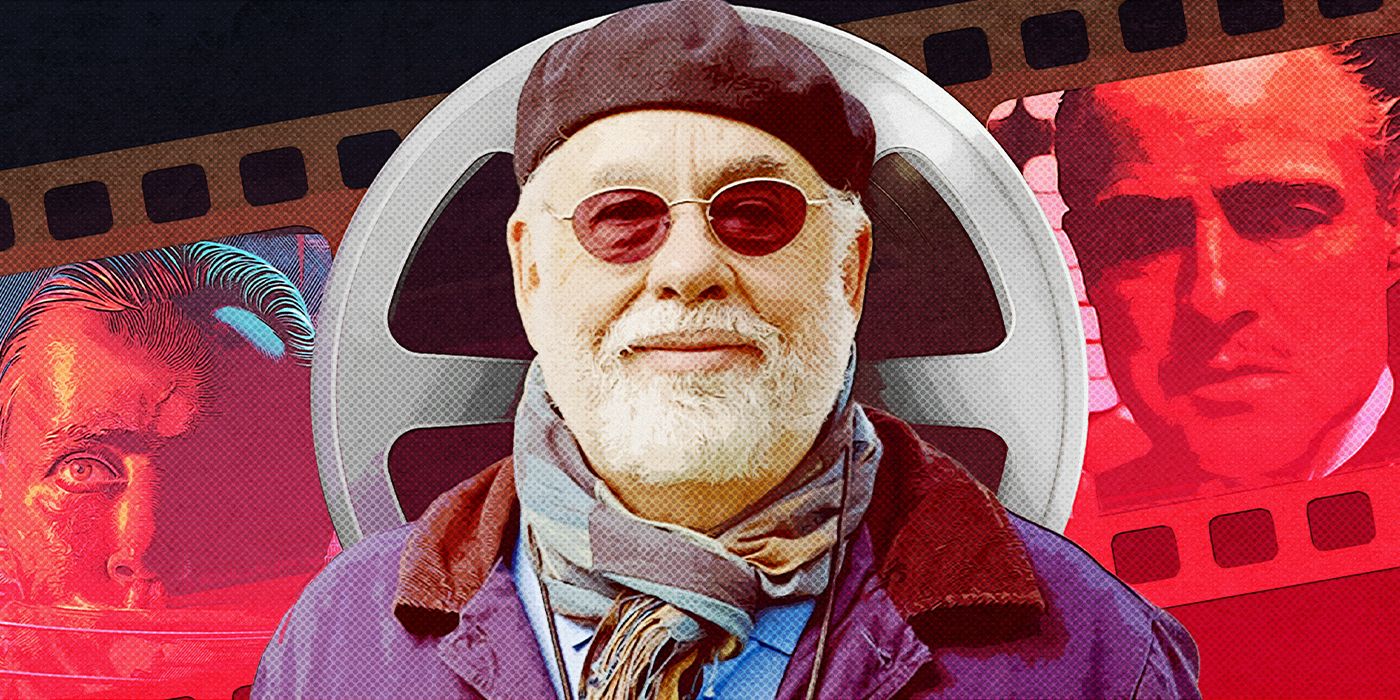
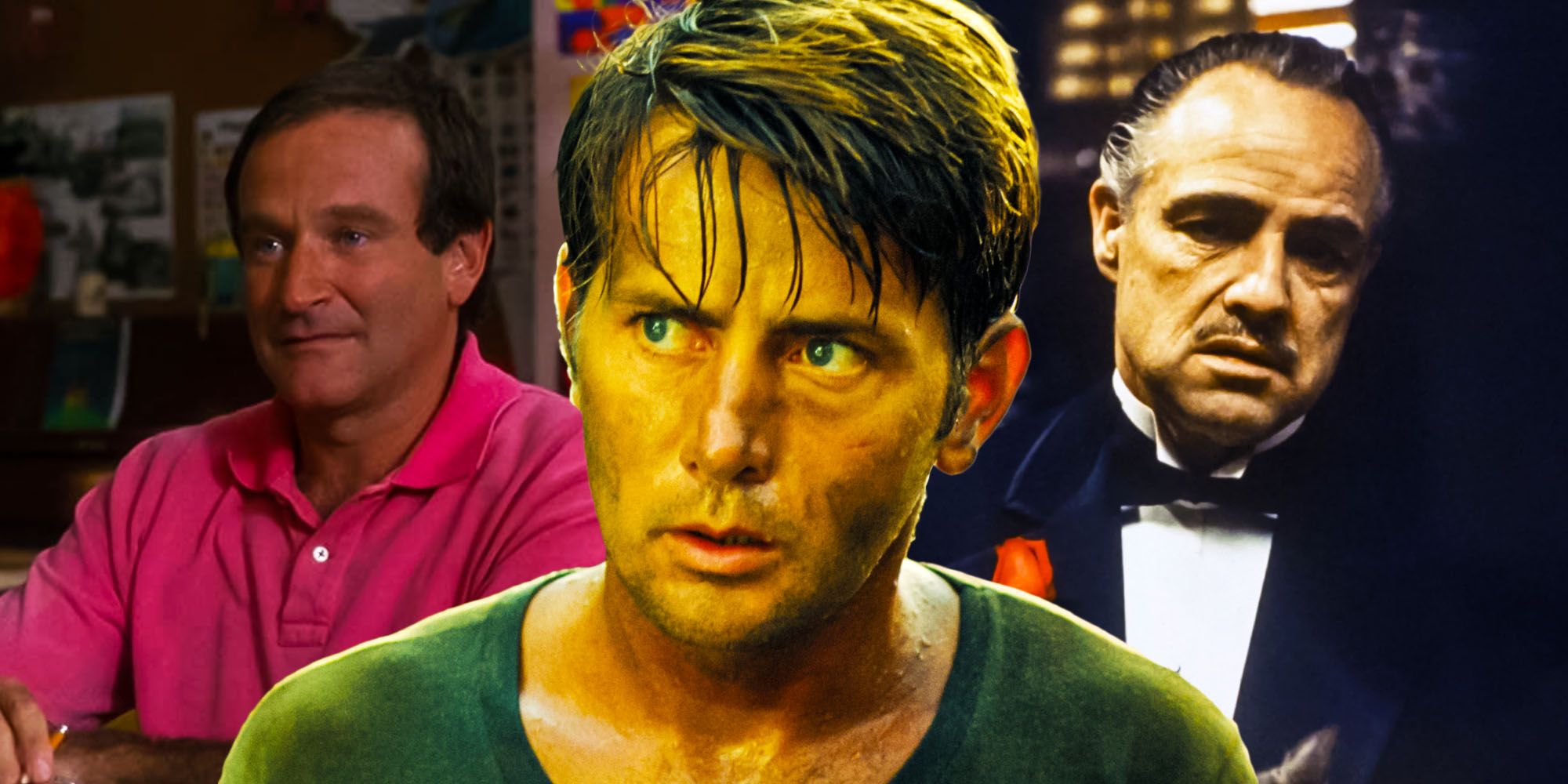
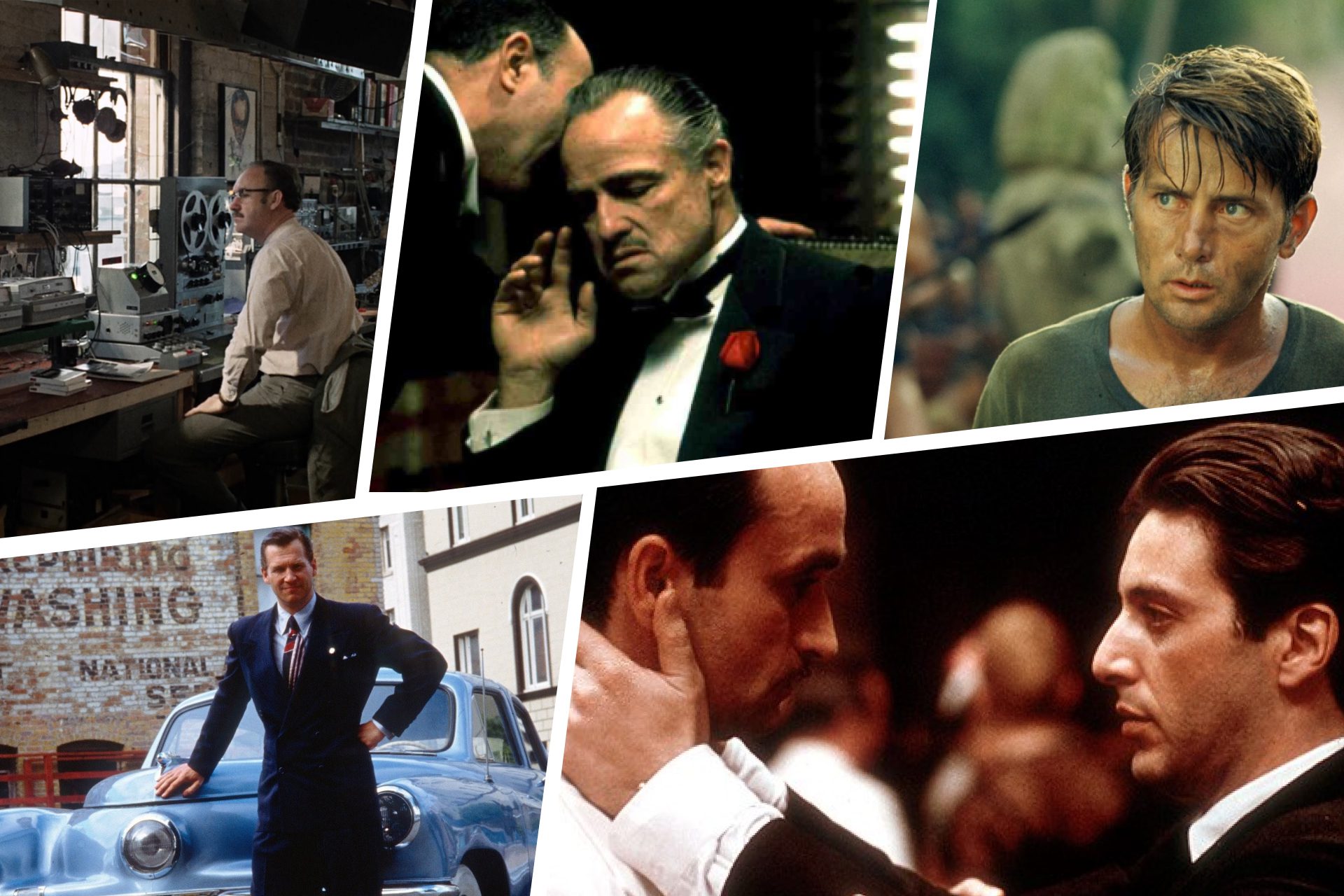
Few filmmakers attract audiences to the Cinema like Francis Ford Coppola. Since the 1970’s, Coppola has become a cinematic icon. Whether it’s cruel gangsters, grieving war soldiers or conflicted police-officers, Coppola has created several characters. Given the number of movies he has made, making a top 10 list isn’t easy. Nevertheless, listed below are my picks for the best movies of a director that deserves to be celebrated.
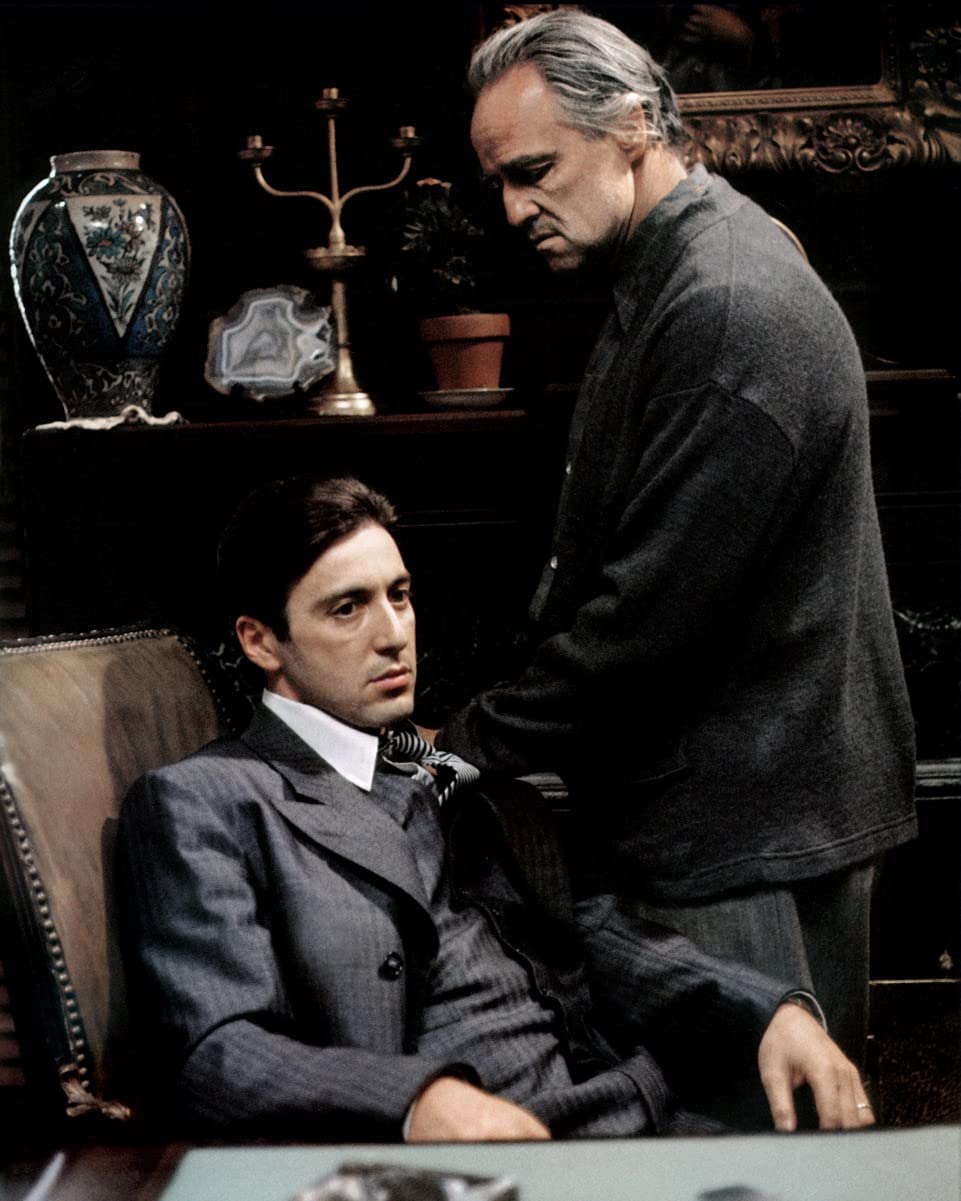
1. The Godfather
Gangsters are grand figures that have always inspired my grandfather. At an early age, I formed a strong bond with a grandfather that loved gangsters causing damage. I remember a grandfather that was fascinated with the dark lifestyles of gangsters putting lives in grave danger. An offer that he simply couldn’t refuse, my grandfather always loved spending time with cruel gangsters shaping his worldviews. Few films I’ve ever seen have managed to capture lifestyles of gangsters facing danger as powerfully as “The Godfather”. Ever since its release in 1972, Francis Ford Coppola’s movie has stood the test of time as a crime classic. With the greatest film of his career, Coppola did an extraordinary job of adapting a beloved book about gangsters facing despair. Coppola is one of those filmmakers that has always excelled at using low-key lighting in movies to build tension, and his strengths as a director are evident in “The Godfather”. For instance, the scene in which Michael Corleone commits his first murder transforming into a gangster after killing enemies in a restaurant is one of the greatest moments of the filmmaker’s career. At the centre of it all is an extraordinary performance by Marlon Brando, who embodies an aging gangster facing sorrow. Ultimately, what makes “The Godfather” Francis Ford Coppola’s greatest movie is its message. Unlike most gangster movies, it tackles themes that everyone would relate to. The film delivers a strong message about the power of family bonds that would resonate with everyone. Nearly 50 years after the release of a grand film about gangsters given offers that they can’t refuse, it’s a breathtaking reminder of a legendary director whose timeless movies that have earned rave reviews deserve to make headline news.

2. The Godfather: Part II
Fathers are inspirational figures that shaped my identity. As far as I remember, I’ve always shared long-lasting bonds with my father. An inspiring role model, he motivated me to achieve dreams that I am pursuing. Without his wisdom, I wouldn’t have achieved dreams I am passionate about. Fatherhood is a common theme Francis Ford Coppola has explored in movies. This theme about the hardships fathers go through is most evident in “The Godfather: Part II”. Released in 1974, Francis Ford Coppola’s sequel achieved the tricky feat of living up to its predecessor through strong themes of fatherhood. With the most personal film of his career, Coppola captured hardships faced by gangsters raising children with despair. Coppola excels at using non-linear storytelling to convey emotions in his movies, and his strengths as a filmmaker are evident in “The Godfather: Part II”. For instance, the scene in which Michael confronts his brother Fredo at a party following his shocking betrayal showcased the filmmaker at his best. Ultimately, what makes “The Godfather: Part II” a masterpiece is its message. The film delivers a strong message about fatherhood that will resonate with everyone. A powerful portrait of gangsters facing fatherhood, it’s a grand reminder about a filmmaker that has stood the test of time as an icon in Hollywood.
3. Apocalypse Now
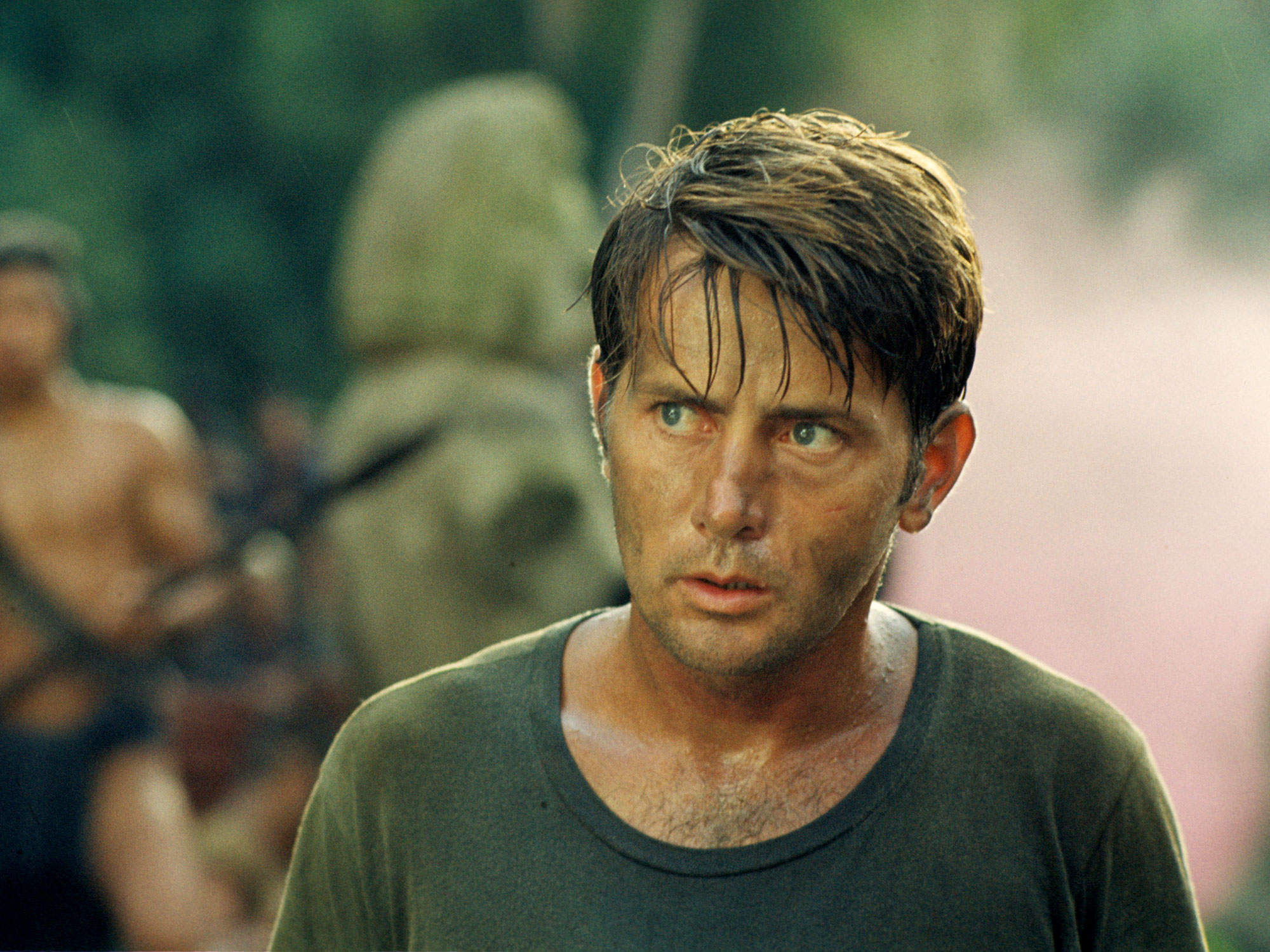
War movies are a genre of film that my uncle has always loved dearly. At an early age, I formed bonds with an uncle that admired veterans with courage. He grew up to value movies capturing the hardships that WWII soldiers went through. Fascinated with warfare, he was interested in the experiences of soldiers enduring despair. As someone treasuring fond memories of an uncle that was fascinated with how apocalyptic wars began, I adored “Apocalypse Now”. Released in 1979, Francis Ford Coppola’s movie offered an engaging depiction of the Vietnam War that caused lives of soldiers to decline. With the most apocalyptic film of his career, Coppola used innovative cinematic techniques to capture the harsh realities of warfare that caused despair. One of the most common techniques Coppola has often used in his movies is narration. For instance, the opening scene in which Benjamin Willard expresses his views on the war through narration is one of the greatest moments of the filmmaker’s career. At the centre of it all is an extraordinary performance by Martin Sheen, who embodies a soldier facing the Vietnam War. Ultimately, what makes “Apocalypse Now” a great war movie is balance. Unlike most movies in the genre, it strikes the perfect balance between spectacle and character development. 60 years after the Vietnam war ended, it’s an apocalyptic reminder of a commemorated filmmaker whose memorable movies deserve to be appreciated.
4. The Conversation
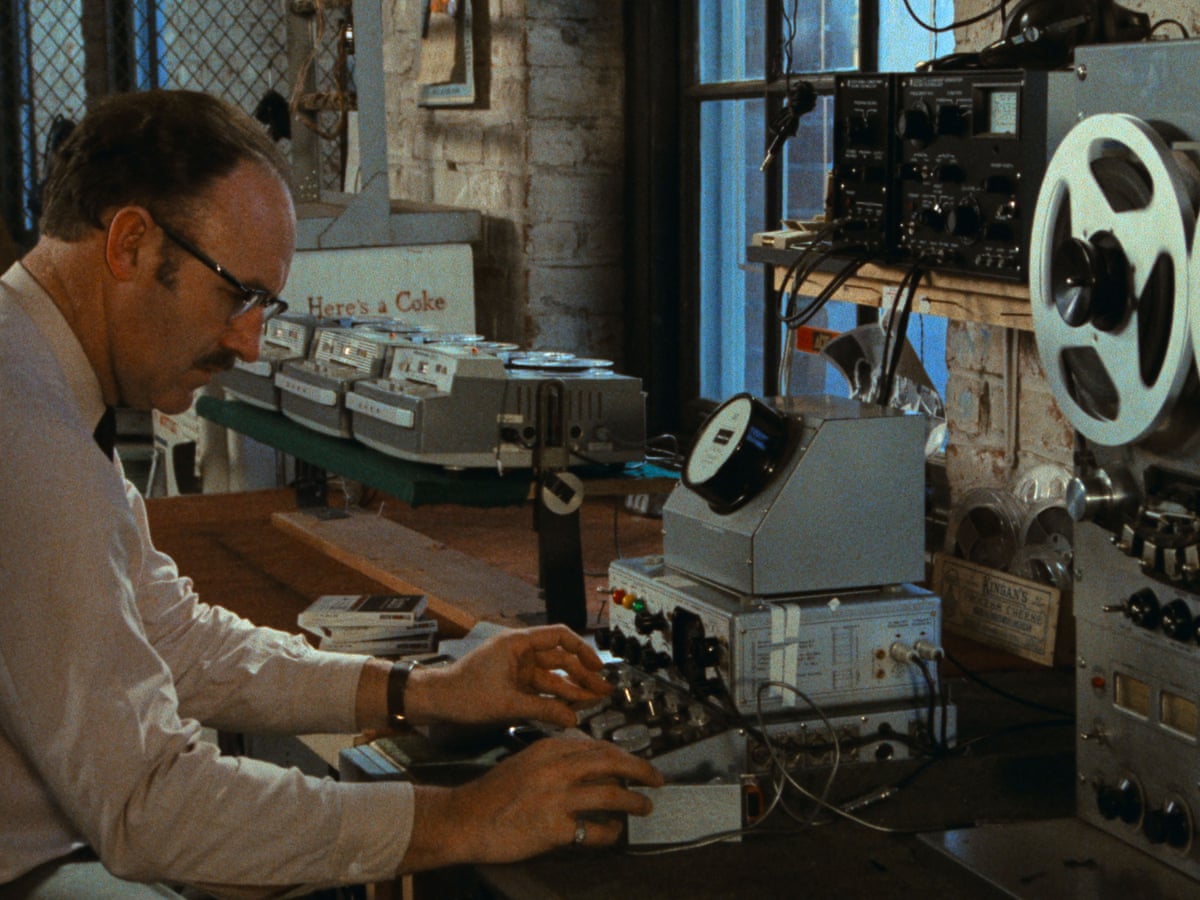
Eavesdropping on conversations between strangers is something I’ve always enjoyed doing. At an early age, I became fascinated with conversations between people. I would often eavesdrop on top-secret discussions between people that revealed their intentions. Despite the fact that my behaviour was often rude, eavesdropping was an activity that I valued. As someone that has always enjoyed eavesdropping on a conversation, I loved “The Conversation”. Released in 1974, Francis Ford Coppola’s movie captured a surveillance expert discovering murders in a recorded conversation. With the most suspenseful film of his career, Coppola captured the dangers associated with eavesdropping on conversations between people facing fear. Coppola has an aptitude for using diegetic sounds in movies to build tension, and this skill is clearly evident in “The Conversation”. For instance, the scene in which Henry Caul discovers evidence of murder in the conversation showcased the filmmaker at his best. Ultimately, what makes “The Conversation” a classic is its message. The film delivers a meaningful message about eavesdropping that would resonate with everyone. As strong as Henry Caul’s desire to listen to the conversation, it’s a riveting reminder of a commemorated filmmaker that has built a strong reputation whose movies are worthy of celebration.
5. The Godfather: Part III
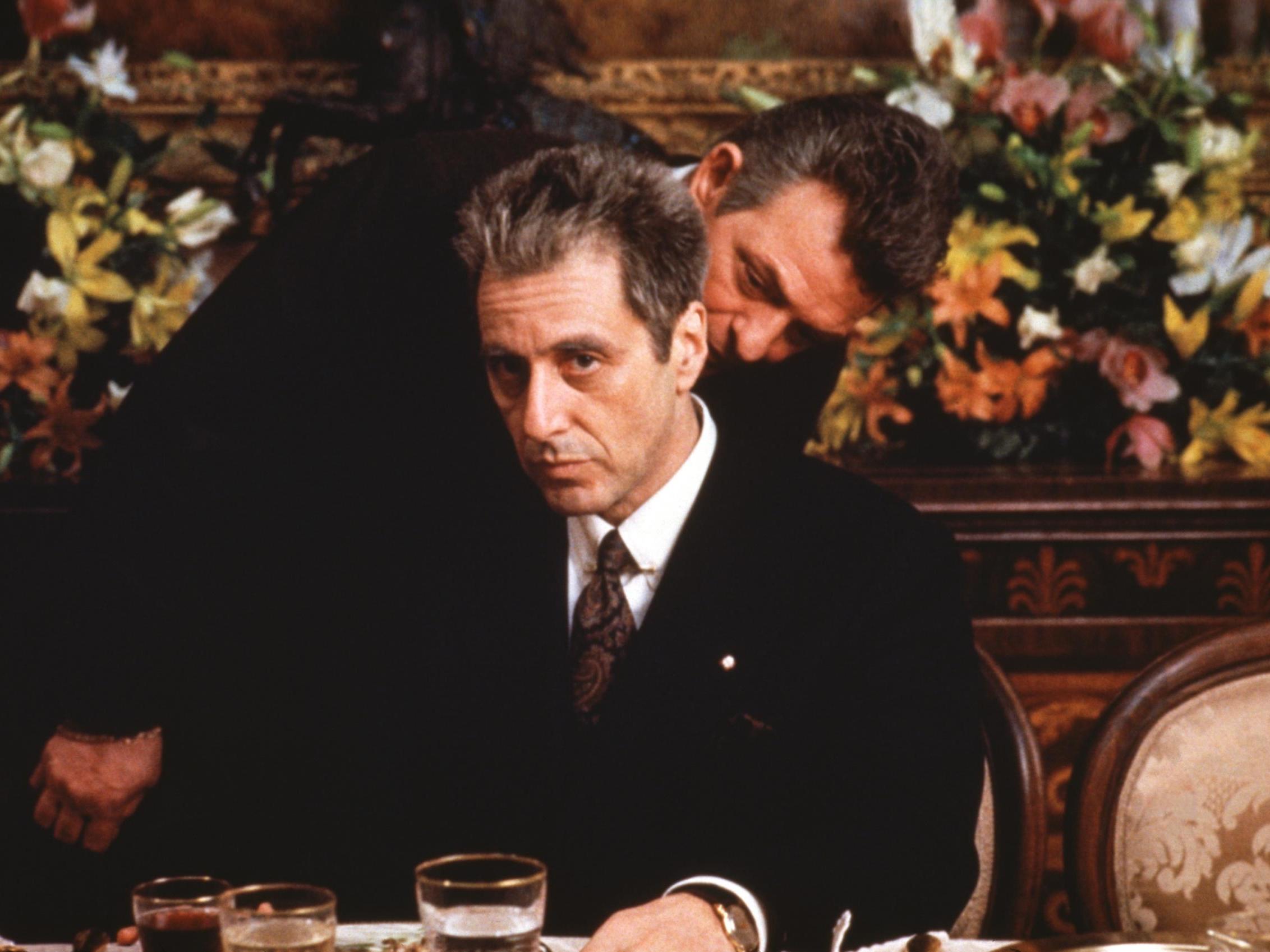
Aging is a painful process causing seniors to face stress. Several years ago, I witnessed the consequences of aging causing my grandmother to face sorrow. I remember my grandmother was a joyous person that looked at the world from a positive perspective. However, aging brought her happiness to a closure. After reaching the age of retirement, my grandmother lost commitment. As someone treasuring fond memories of a grandmother that faced aging adversity, I adored “The Godfather: Part III”. Released in 1990, Francis Ford Coppola’s movie brought the Godfather series towards a satisfying conclusion. With the most mature film of his career, Coppola captured the consequences of aging causing gangsters to experience despair. For instance, the scene in which Michael Corleone has a nervous breakdown regretting his life decisions is one of the greatest moments of the filmmaker’s career. Aided by an amazing Al Pacino who is excellent in the lead role, Coppola captures how aging can cause lives of gangsters to spiral out of control. Although “The Godfather: Part III” may not reach the soaring heights of its superior predecessors, it still remains a riveting reminder of Coppola’s legacy as a filmmaker. A breathtaking ending to a beloved franchise about gangsters facing aging, it’s a riveting reminder of a legendary filmmaker whose timeless movies are worth celebrating.
6. The Rainmaker
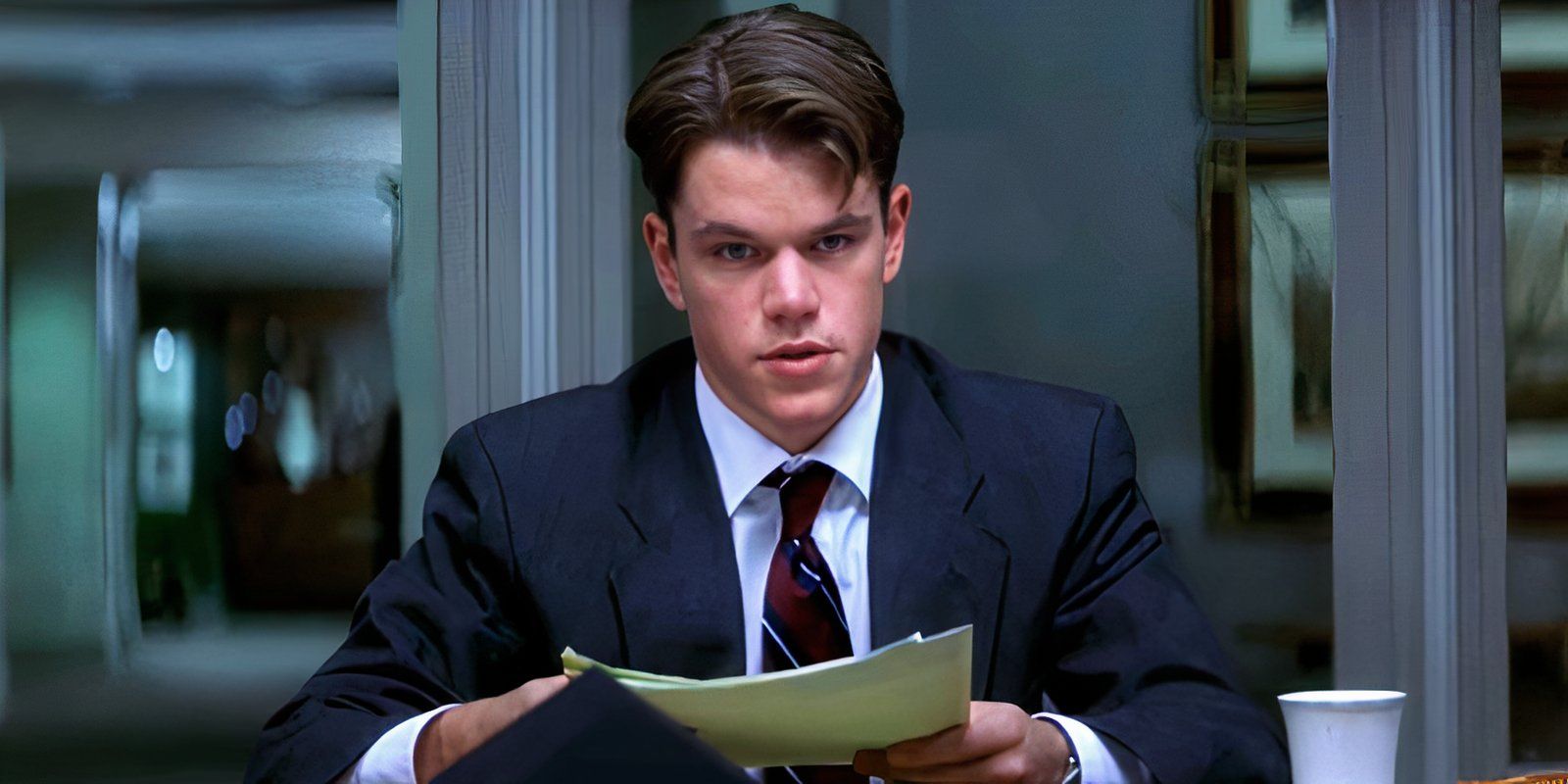
When it comes to the greatest books ever published about lawyers in danger, it’s worth discussing “The Rainmaker”. Since its publication in 1995, John Grisham’s novel has stood the test of time as a literary classic. In 1997, Francis Ford Coppola did an amazing job of adapting the beloved book about lawyers to the big-screen in his film “The Rainmaker”. With the first courtroom drama of his career, Coppola celebrated the legacy of a book about lawyers facing fear. Coppola has spent most of his career making ambitious epics about criminals. With “The Rainmaker”, however, the director took a step out of his comfort zone by making his first legal drama. A captivating adaptation of a book about lawyers seeking to solve a courtroom case, it’s a strong reminder of a filmmaker whose unforgettable movies audiences embrace.

7. Peggy Sue Got Married
One of the common criticisms often levelled against Francis Ford Coppola is that his films lack strong female characters. Coppola has built an image of being a filmmaker that makes movies about masculine heroes with courage. This often leaves little room for women to shine in his movies. However, in 1986 the filmmaker took audiences by surprise when he made his first romantic comedy “Peggy Sue Got Married”. With the most feminist film of his career, Coppola captured a teenage girl experiencing a burden to bear. Coppola has spent most of his career making movies about masculine heroes. With “Peggy Sue Got Married”, however, he gave women a chance to shine. As unforgettable as the marriages planned by Peggy Sue, it’s a breathtaking reminder about a filmmaker that has made memorable movies which audiences value.
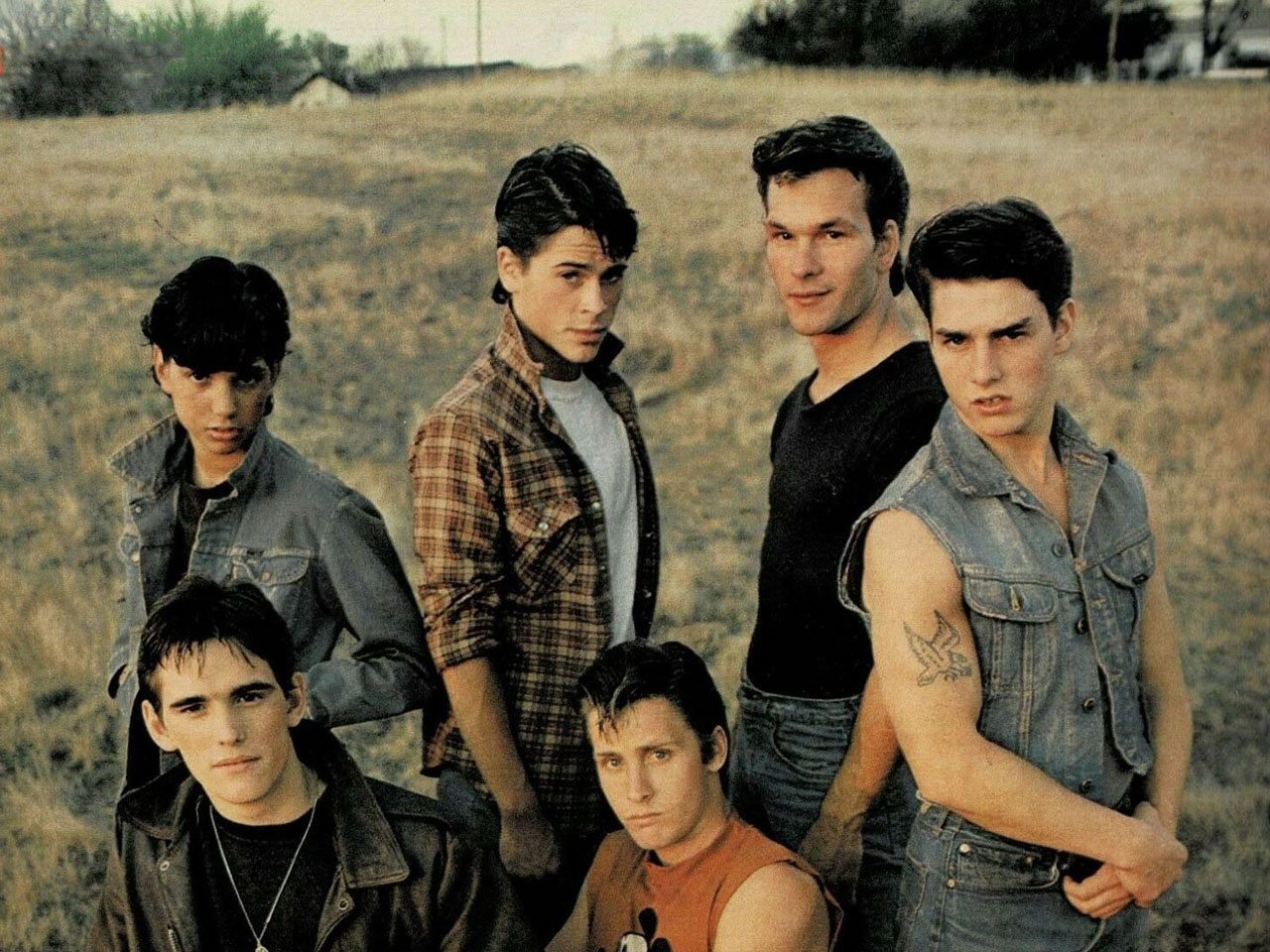
8. The Outsiders
Francis Ford Coppola has always been one of those filmmakers drawn towards characters engaging in criminal behaviours. Coppola has built a reputation for being a filmmaker that excels at capturing criminals facing tension. Coppola’s strength for capturing lives of criminals that are regarded as outsiders is clearly evident in his film “The Outsiders”. Released in 1983, Coppola’s movie offered a beautiful adaptation of a beloved book about delinquent teenagers. With the most adventurous film of his career, Coppola captured rebellious teenagers engaging in a criminal lifestyle causing despair. Coppola showcased his strengths for capturing crime through stunning visuals. A powerful portrait of crime-ridden teenagers treated as outsiders, it’s a riveting reminder of a commemorated filmmaker whose movies have broken barriers.
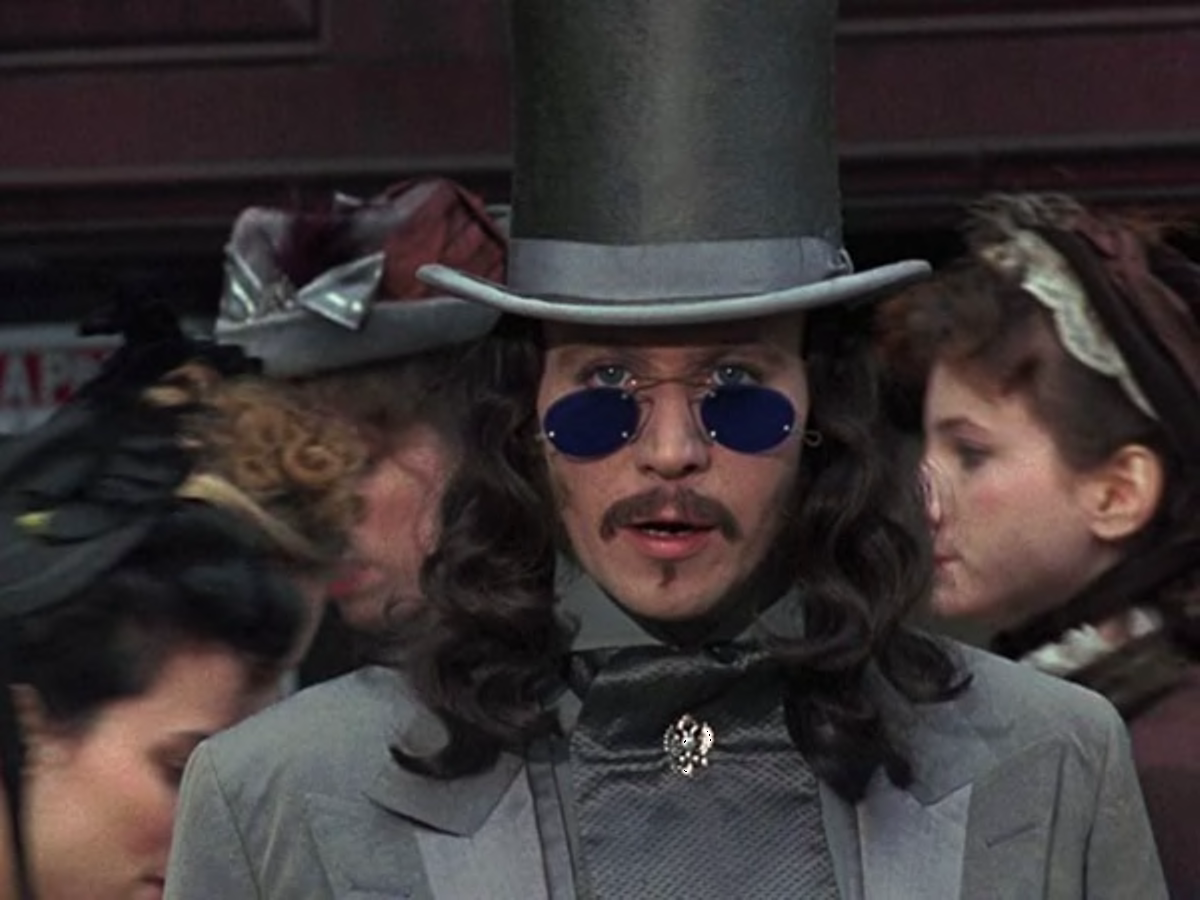
9. Bram Stoker’s Dracula
Few villains are as beloved in the modern era as Dracula. Since his creation in 1897 by Bram Stoker, Dracula has become as a legendary character. With his frightening appearance, scary laugh and maniacal personality, Dracula has gained a following. In 1992, Francis Ford Coppola did an amazing job of portraying Dracula in his movie “Bram Stoker’s Dracula”. In the most frightening film of his career, Coppola captured the enduring appeal of a character that evokes fear. Coppola showcased his strengths for creating villainous characters through stunning visuals. Although “Dracula” may not rank among Coppola’s finest films, it remains a worthy reminder of the filmmaker’s strengths. A dazzling tribute towards a dangerous vampire, it’s a riveting reminder of a filmmaker whose memorable movies audiences admire.
:max_bytes(150000):strip_icc()/Megalopolis-051624-2b4e86ea2770411fa33e63c1ea7e7944.jpg)
10. Megalopolis
Francis Ford Coppola hasn’t always made movies attracting audiences to the Cinema. While most movies that Coppola has made have been successful, a few have fallen short. Unfortunately, “Megalopolis” falls into the latter group of movies. Released in 2024, Francis Ford Coppola’s most messy movie showcased the filmmaker’s worst tendencies for emphasizing style over substance. With the worst film of his career, Coppola captured planets facing despair. Despite a star-studded cast led by Adam Driver, “Megalopolis” was a disaster. Nevertheless, the film remains a strong reminder of Coppola’s legacy. As strong as Cesar’s love for his metropolis, it’s a riveting reminder of a filmmaker that hasn’t lost his abilities to flourish whose movies I will forever cherish for inspiring me to believe my dreams of film criticism are possible to accomplish.

 The Film Buff