

Few filmmakers shock audiences like Alfred Hitchcock. Since the 1940’s, Hitchcock has become known as the Master of Suspense. Whether it’s psychotic killers, haunted housekeepers or voyeuristic neighbours, Hitchcock has created several characters. Given the sheer number of movies he made, making lists isn’t easy. Nevertheless, listed below are my picks for the best movies made by a filmmaker that deserve to be celebrated.
1. Psycho
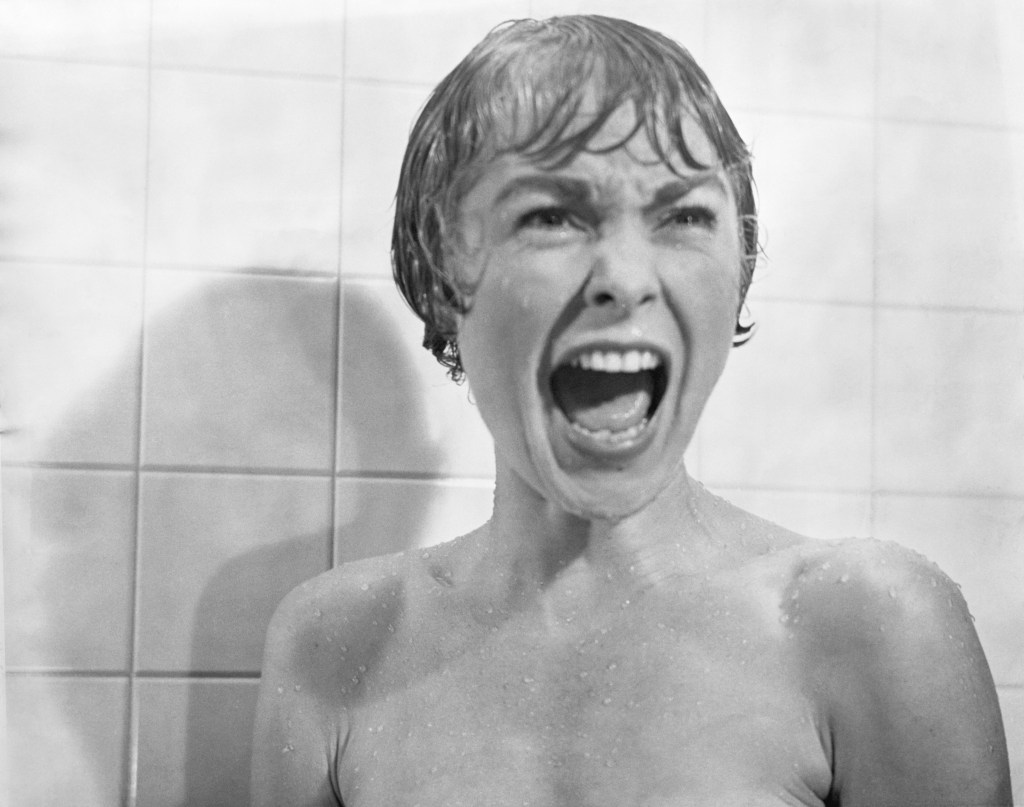
Serial killers are frightening figures that have always terrified me. At an early age, I developed fear of serial killers when my housemaid was murdered causing damage. Stabbed to death in the shower by her lover, my housekeeper became victim of a psychotic murder. Left emotionally devastated, my family never recovered from the gruesome murder of a housemaid that wasn’t investigated. Few films I’ve ever seen have captured the psychotic nature of serial killers causing sorrow as powerfully as “Psycho”. Ever since its release in 1960, Alfred Hitchcock’s movie has stood the test of time as a horror classic. Packed with breathtaking visuals, sharp storytelling and phenomenal acting, it is a powerful psychological masterpiece. In arguably the greatest film of his career, Hitchcock used innovative cinematic techniques to capture a serial killer evoking fear. Hitchcock’s greatest strength as a filmmaker is his ability to use discontinuity editing to create suspense, and it’s clearly evident in “Psycho”. For instance, the iconic shower scene in which Marion is stabbed to death in the shower showcased the filmmaker’s strengths. At the centre of it all is a phenomenal performance from Anthony Perkins, who embodies a psychotic killer evoking terror. Ultimately, however, what makes “Psycho” Alfred Hitchcock’s greatest movie is its message. The film delivers a meaningful message about childhood trauma which would resonate with everyone. Nearly 60 years following the release of an iconic film about psychotic killers committing murders that are catastrophic, it’s a fantastic reminder of a director whose movies audiences consider iconic.
2. Rear Window
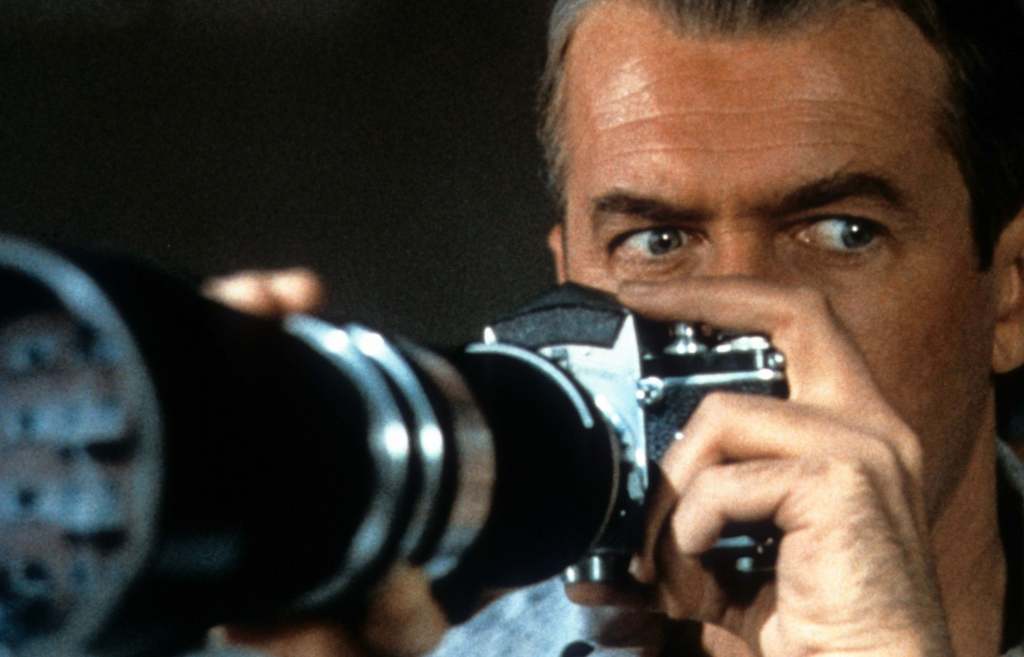
Voyeurism shaped my grandfather’s identity. Several years ago, I formed a strong bond with a grandfather that loved spying on neighbours through his window. I remember a grandfather that had a love for engaging in voyeuristic behaviour. A curious soul, he would take great interest in activities of neighbours that were adventurous. Unable to sleep at night, he would love to observe neighbours through his strong sight. As someone treasuring joyous memories of a grandfather that loved spying on neighbours several years ago, I loved “Rear Window”. Released in 1954, Alfred Hitchcock’s suspense masterpiece captured the life of a disabled photographer observing his neighbours through a window. In the most voyeuristic film of his career, Alfred Hitchcock showcased his strengths for building tension through point-of-view shots. Throughout the movie, the point-of-view shots are cleverly used to showcase the perspective of Jeff observing neighbours through his window. For instance, the iconic scene in which Jeff observes Lisa snooping in an apartment through his window is one of the most memorable moments of the director’s career. Ultimately, what makes “Rear Window” one of Hitchcock’s greatest movies is its message. The film delivers a profound message about voyeurism that would resonate with everyone. A wonderful depiction of individuals with strong love for observing neighbours through a rear window, it’s a remarkable reminder of a filmmaker whose movies audiences treasure since they were released years ago.
3. Vertigo
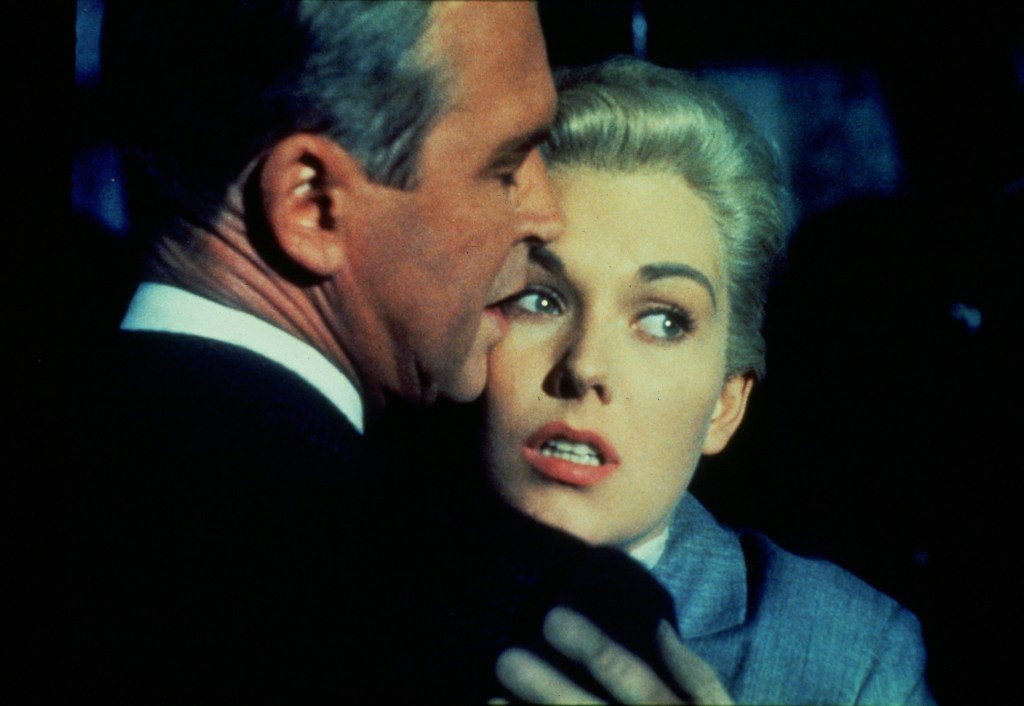
Obsession is a characteristic that shaped my personality. At an early age, I became obsessed with a girl in school with dreams of marriage. Dressed in gorgeous attire, she was a girl that my entire school would admire. I remember engaging in obsessive behaviour by following her around the school. No matter how hard I tried, I couldn’t stop my obsession with a girl that gave me pride. As someone recalling memories of a girl that I became obsessed with years ago, I adored “Vertigo”. Released in 1958, Alfred Hitchcock’s movie captured life of a detective forming unhealthy obsessions with a woman. Obsession is a key theme that Hitchcock has explored in his movies, and it’s most evident in “Vertigo”. Hitchcock always had an aptitude for using colours in films to convey emotions, and his strengths are evident in “Vertigo”. Throughout the movie, Hitchcock used the colour green to showcase Scottie’s feelings of guilt. For instance, the iconic scene in which Scottie is perplexed to see Judy in his green apartment showcases the filmmaker’s strengths. Ultimately, what makes “Vertigo” a masterpiece is its message. The film delivers a profound message regarding obsession which will resonate with everyone. An outstanding depiction of obsession, it’s a remarkable reminder of a filmmaker whose unforgettable movies are worthy of celebration.

4. North by Northwest
Alfred Hitchcock is a filmmaker that has always impressed my father. Years ago, I bonded with a father that was a huge fan of a filmmaker he regarded a hero. I remember watching movies made by the great filmmaker with a father that I grew up to treasure. My father loved all of Hitchcock’s movies but “North by Northwest” was always his favourite. Released in 1959, Hitchcock’s espionage thriller showcased his strengths at building tension as a filmmaker. Hitchcock excels at using diegetic sounds to build suspense in his movies, and his strengths are showcased in “North by Northwest”. For instance, the scene in which Roger Thornhill is chased by a cropduster is one of the greatest moments of the filmmaker’s career. At the centre of it all is an extraordinary performance from Cary Grant, who embodies a comical spy assuming mistaken identities. Ultimately, however, what makes “North by Northwest” stand out in Hitchcock’s career is its appeal. Unlike most movies the director made targeted towards a specific audience, it’s a movie everyone would enjoy. In the vein of James Bond, it’s an espionage thriller with themes everyone would relate to. It’s arguably the most entertaining film Hitchcock ever made, which may be the reason why it was my father’s favourite. A breathtaking portrait of spies assuming identities running from cropdusters that are frightening, it’s a riveting reminder of a filmmaker whose movies are worth celebrating.

5. Rebecca
It’z challenging to face the loss of a loved one. Recently, my family mourned the loss of a housekeeper that passed away. Dedicated to performing every chore, he was a person that my family had grown to adore. His devastating death cast a dark shadow over my grandparents’ home. No longer the welcoming place it used to be, it became haunted by a tragedy. As someone treasuring fond memories of a housekeeper with nostalgia, I adored “Rebecca”. Released in 1940, Alfred Hitchcock’s Oscar-winning movie offered an unforgettable depiction of housekeepers. In the most haunting film of his career, Alfred Hitchcock used clever techniques to capture a household haunted by loss. One of Hitchcock’s greatest strengths as a filmmaker is his abilities to use shadows to build suspense, and it’s clearly evident in “Rebecca”. For instance, the scene in which the housekeeper Mrs. Danvers tells Mrs. de Winter the story about Rebecca’s death showcases the filmmaker’s strength for using shadows. Ultimately, what makes “Rebecca” one of Hitchcock’s greatest movies is its message. The film delivers a meaningful message about housekeepers resonating with everyone. As unforgettable as the ghost of Rebecca haunting the Manderley household, it’s a breathtaking reminder of a filmmaker whose bold movies audiences consider a gorgeous sight to behold.
6. Rope
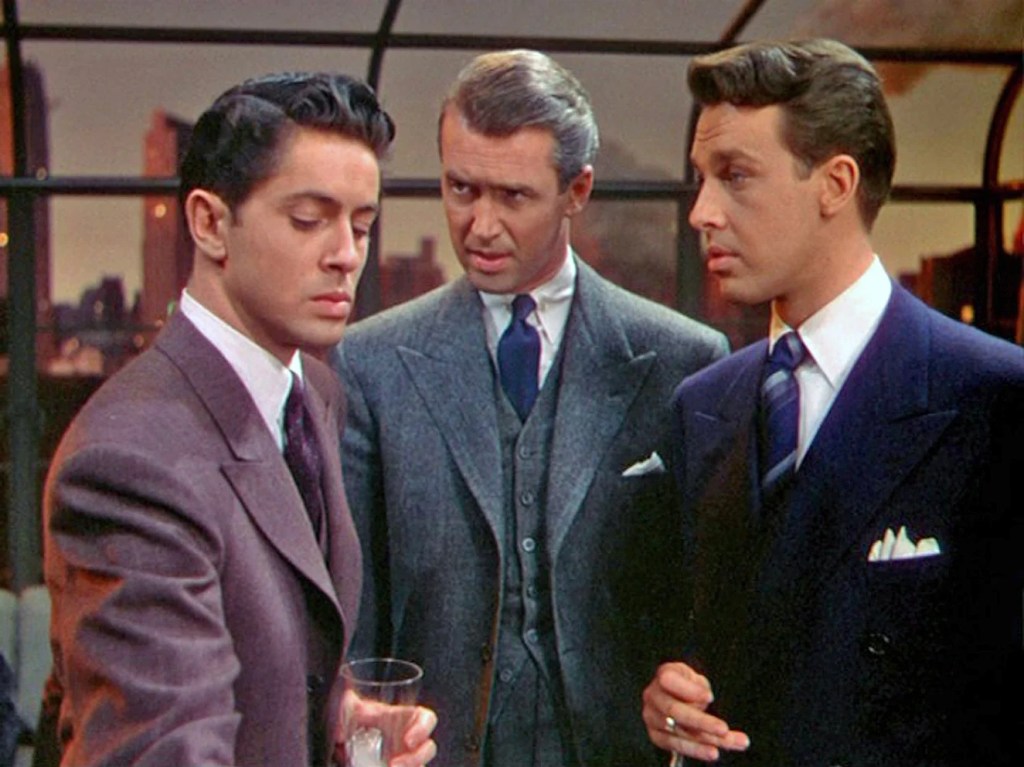
One of Hitchcock’s greatest strengths as a filmmaker is his sharp sense of humour. Hitchcock always possessed a rare ability to infuse humour into dark subjects such as murder. Hitchcock’s strength for using humour to cope with a dark subject matter is clearly evident in his film “Rope”. Released in 1948, Hitchcock’s movie focused on party guests investigating a murder mystery. Despite the seemingly dark nature of the subject matter, Hitchcock tackles it with a surprising sense of humour. John Dall and Farley Granger are both extraordinary in the lead roles, bringing awkward humour to a pair of psychopathic men seeking to commit the perfect murder. As precious as the rope that a pair of men use to strangle their classmate, it’s a remarkable reminder of a filmmaker whose timeless movies audiences always appreciate.

7. Shadow of a Doubt
Incest is a provocative subject rarely depicted in movies with respect. Hollywood has often struggled to tell realistic stories about incestuous relationships that attract controversy. It’s an uncomfortable subject matter that rarely attracts audiences to the theatre. However, in 1943 Alfred Hitchcock managed to successfully tackle a topic rarely talked about in his film “Shadow of a Doubt”. In the most sensitive film of his career, Hitchcock successfully used dark shadows to capture a woman engaging in an incestuous affair. It’s a film that gave Hitchcock an opportunity to showcase aptitude for using shadows to build suspense. During a time when incest remains an issue in society that’s rarely talked about, it’s an awe-inspiring reminder about a filmmaker whose unforgettable movies are definitely worth celebrating without a doubt.

8. Strangers on a Train
Trains are compelling settings that often make for engaging movies. Ever since detectives solved murders on the orient express, trains have often been used in movies with success. In 1951, Alfred Hitchcock captured the enduring appeal of trains as settings that entertain in his film “Strangers on a Train”. In the most dialogue-driven film of his career, Hitchcock captured strangers interacting on a train having conversations that are entertaining. Hitchcock effectively used the confined location of a claustrophobic train to build tension. It’s challenging to make a movie which is set entirely on a confined train entertaining, but Hitchcock succeeded tremendously. As precious as the train in which strangers interact, it’s a breathtaking reminder of a filmmaker whose timeless movies have never lost their abilities to entertain.

9. Dial M for Murder
Perhaps, the most common theme that Alfred Hitchcock explored in movies is the perfect murder. Hitchcock’s movies often focus on diabolical characters that find enjoyment planning a perfect murder. Hitchcock explored this theme in several movies but its most evident in “Dial M for Murder”. Released in 1954, Hitchcock’s film captured the life of a tennis player plotting his wife’s murder. In the most diabolical film of his career, Hitchcock used innovative cinematic techniques to capture a meticulously staged murder. The sequence in which a woman is strangled to death while talking on the phone remains one of the most iconic scenes of the director’s career. A marvellous portrait of menacing men that organize a meticulous murder, it’s a magnificent reminder of a filmmaker whose memorable movies audiences treasure.
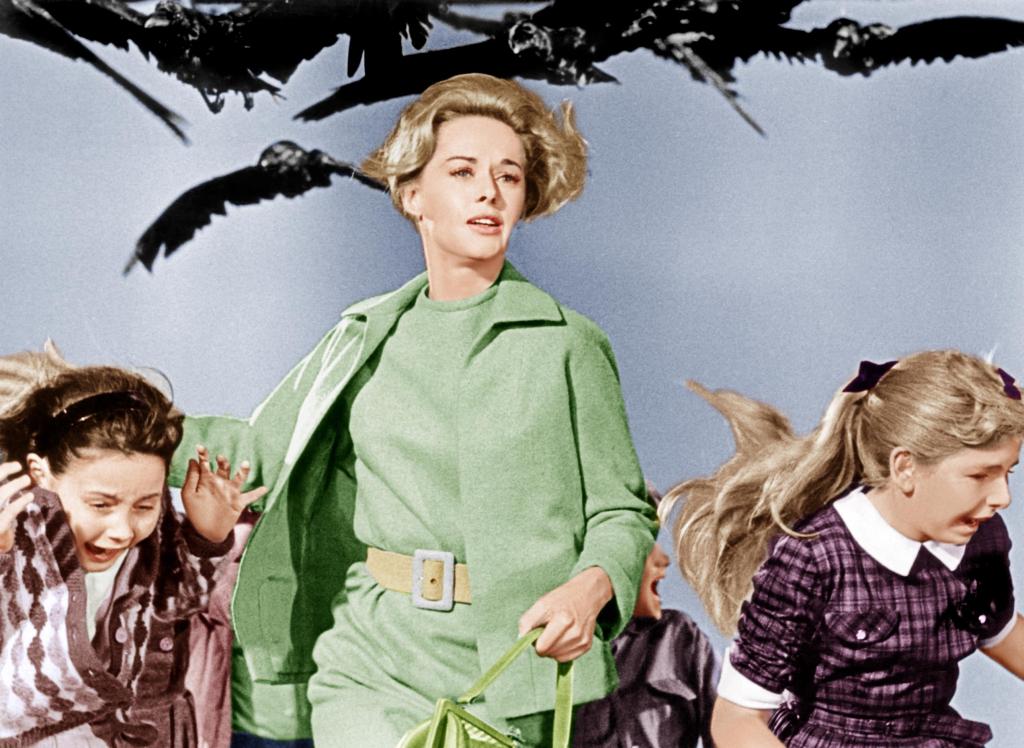
10. The Birds
Birds are creatures which have always scared me. As far as I remember, I’ve always been afraid of birds that cause terror. With their menacing eyes, sharp teeth and humongous wings, birds are creatures which have always frightened me. My lifelong fear of birds began when I first watched Alfred Hitchcock’s film “The Birds”. Released in 1963, Alfred Hitchcock’s movie has stood test of time as a horror classic. In the most frightening film of his career, Hitchcock captures a herd of birds that cause a small city to face fear. Hitchcock effectively used practical effects way ahead of the time to recreate birds evoking terror. As powerful as the birds leaving a small town terrified, it’s a riveting reminder of a legendary filmmaker that hasn’t lost abilities to leave audiences satisfied whose movies I will forever treasure many years after he died.

 The Film Buff
You must be logged in to post a comment.